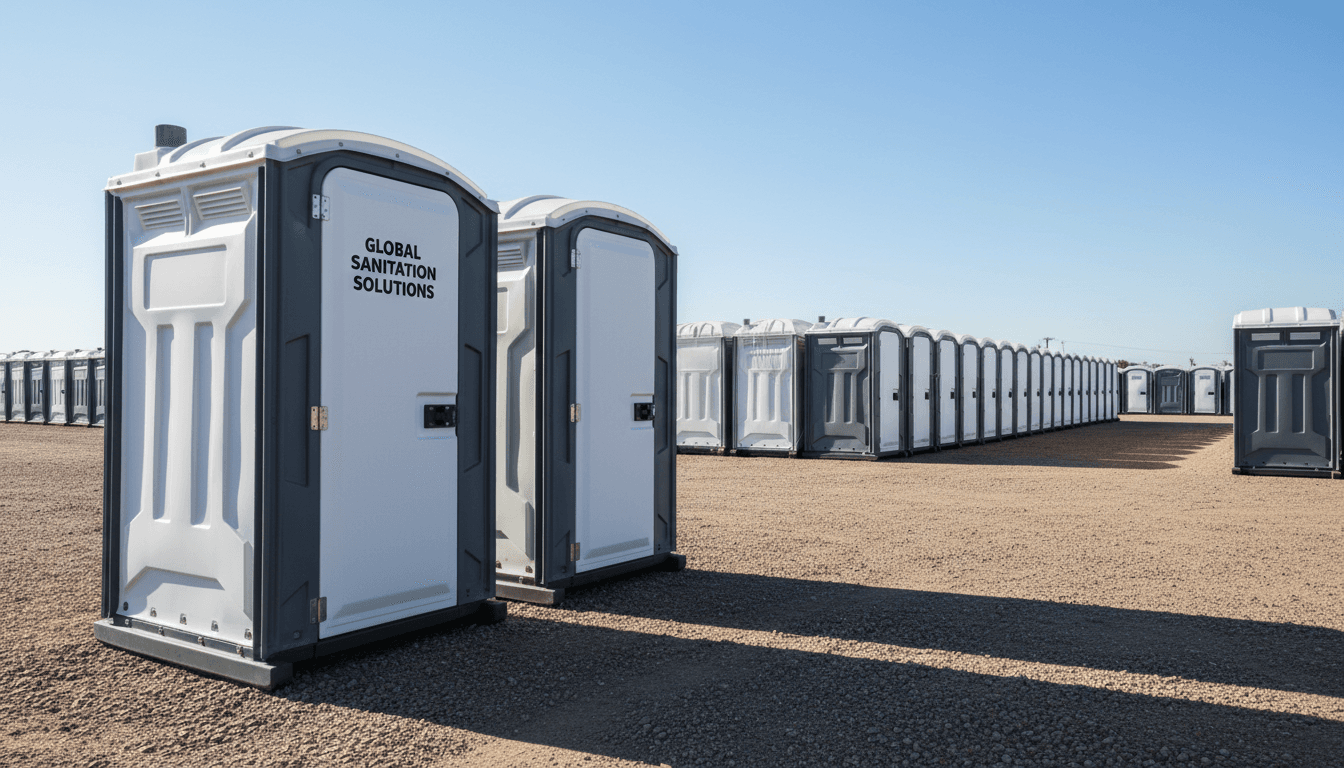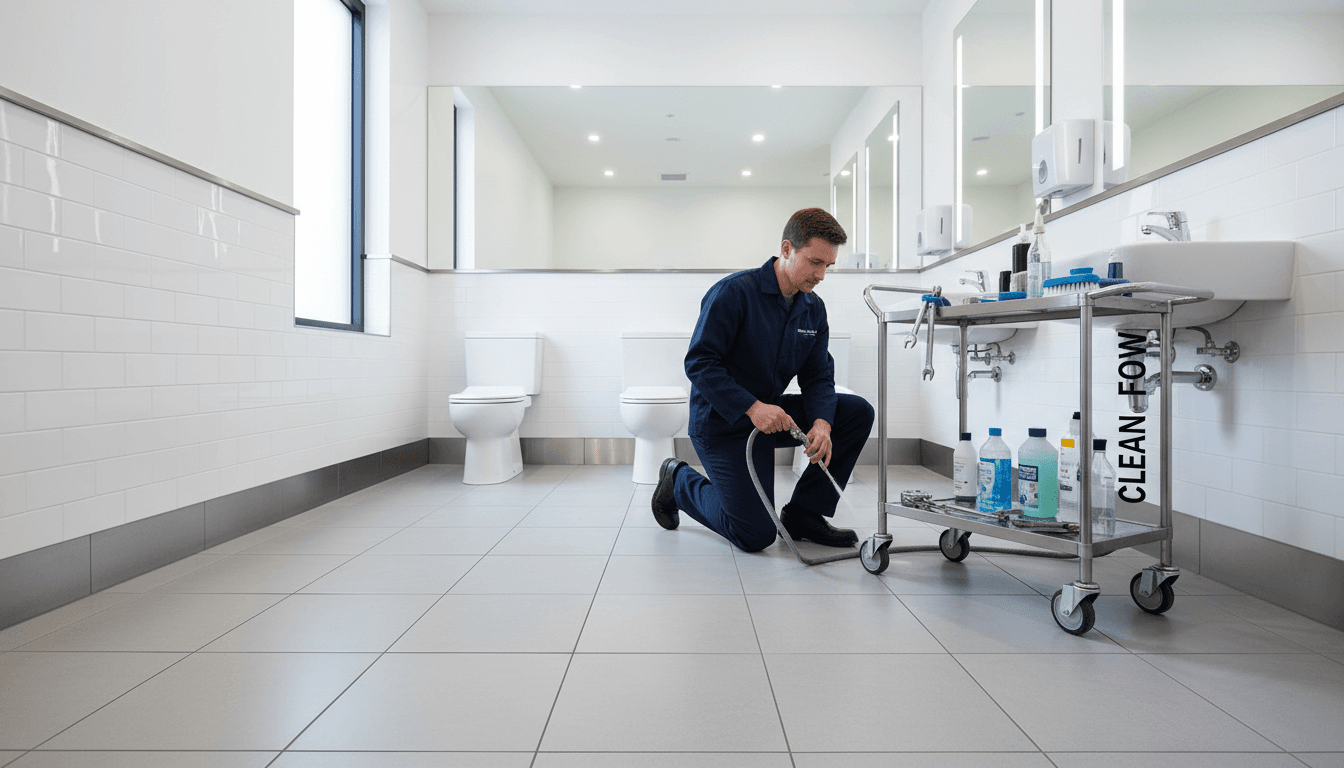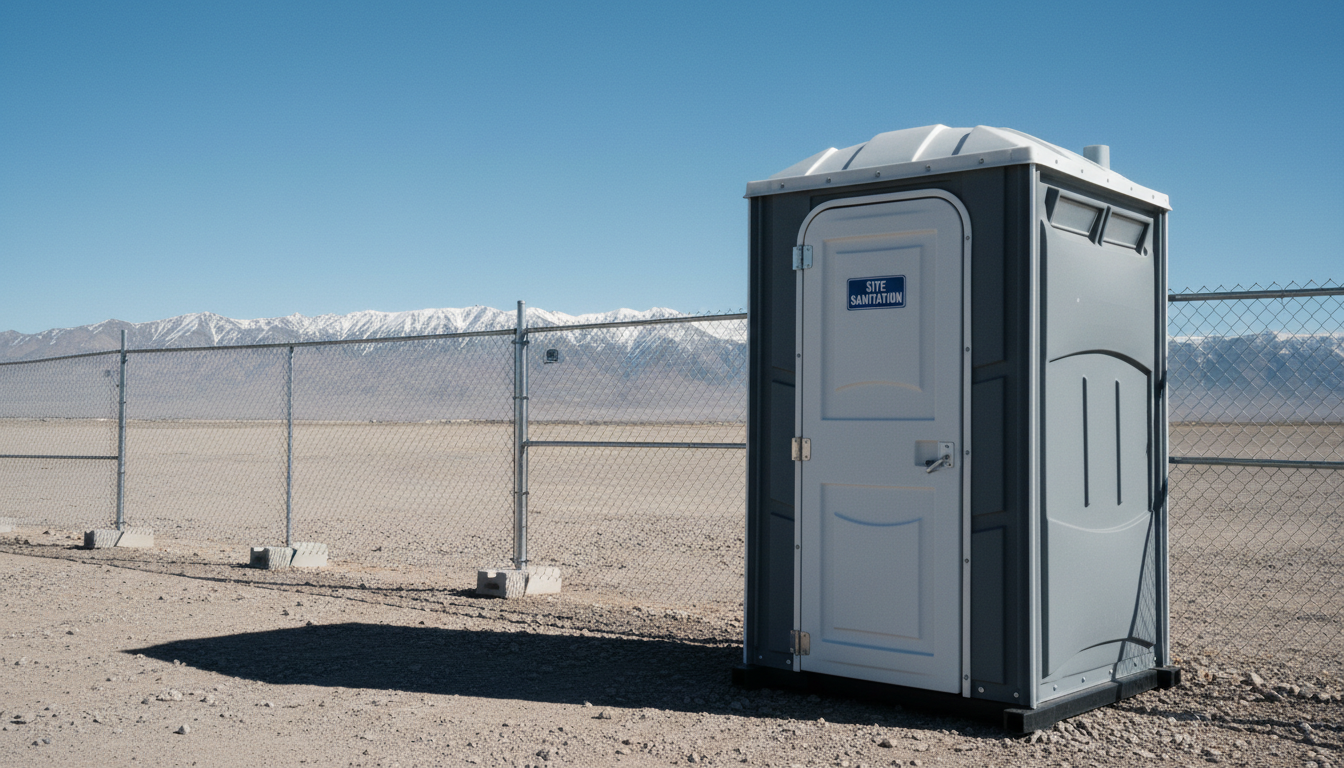
Worksite sanitation requirements Utah mandate that employers provide at least one toilet and one handwashing facility for every thirty employees. Additionally, construction sites must supply accessible potable water and restrooms equipped with soap, running or lukewarm water, and individual hand towels or blowers.
Running a construction project in Utah involves more than just managing timelines and materials; it requires navigating a complex web of sanitation regulations that can halt production if overlooked. A single inspector visit could result in hefty fines if your site lacks the proper ratio of facilities or ignores handwashing mandates. Maintaining a compliant site is vital for both worker morale and legal protection, especially when balancing federal OSHA standards with state-specific requirements. This guide provides a comprehensive breakdown of the essential sanitation rules for Utah contractors. You will learn how to calculate precise toilet ratios, understand the ten minute accessibility rule, and manage handwashing stations that go beyond basic sanitizer. We also cover maintenance protocols and weather-specific strategies to keep your Fillmore or Central Utah project running smoothly through winter freezes and summer heat.
Navigating State and Federal Sanitation Laws for Utah Construction
Utah construction managers operate under a dual layer of oversight that requires a nuanced understanding of both federal and state mandates. While federal OSHA standards under 29 CFR 1926.51 provide the baseline for worksite sanitation requirements Utah projects must follow, the state often goes a step further. Local enforcement falls under the jurisdiction of Utah Occupational Safety and Health (UOSH), which implements specific provisions of the Utah Administrative Code, namely R614-3-15 and R392-400.
Failing to reconcile these two sets of rules often leads to avoidable citations. Utah's codes frequently detail more stringent distance or ratio requirements than their federal counterparts. For instance, understanding the interplay between general OSHA ratios and local health department expectations is critical for accurate project planning. However, compliance is only one part of the equation. In the unique Utah environment, providing high-quality sanitation and restroom solutions directly impacts worker retention and site health. A clean, well-managed facility reduces the spread of illness and demonstrates respect for the workforce, which is essential in a competitive labor market. Project leads who prioritize professionally managed sanitation services find that reliable facilities contribute to a smoother workflow and higher morale. Balancing these legal obligations with practical field needs ensures that projects remain both compliant and productive throughout the construction lifecycle.
Calculating the Correct Ratio: How Many Toilets Does Your Utah Jobsite Need?
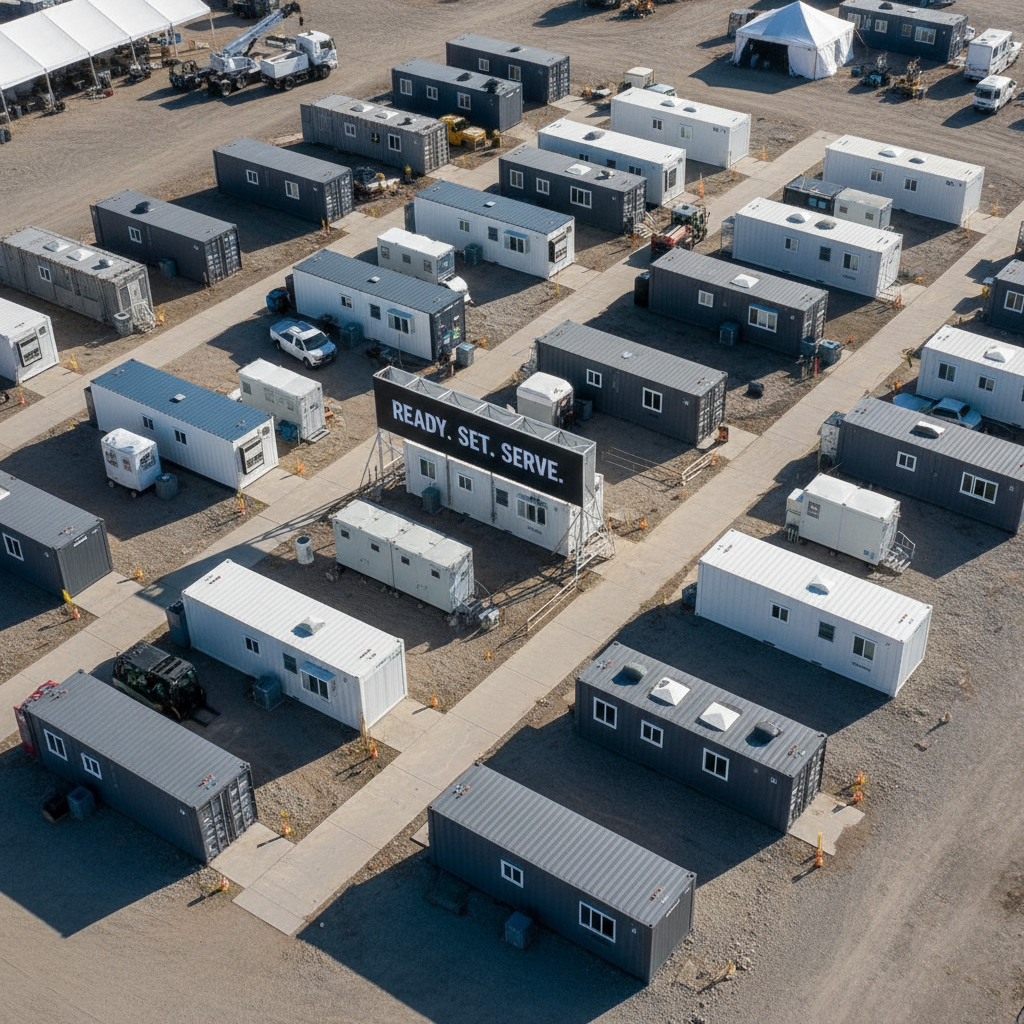
Determining the exact number of units involves balancing federal mandates with state-specific codes. While OSHA standard 29 CFR 1926.51(c)(1) requires one toilet for every 20 employees or fewer, Utah Administrative Code R614-3-15 suggests a ratio of one toilet facility for each 30 employees. To maintain high standards and avoid UOSH scrutiny, many site managers follow the 20/20/20 rule, which serves as an industry shorthand suggesting that 20 workers can be supported by one unit under specific servicing intervals. However, adhering to the stricter federal ratio is often the safest path to ensuring worksite sanitation requirements Utah are fully met.
Number of Workers | Minimum Toilets (OSHA Baseline) | Utah R614-3-15 (State Baseline) |
|---|---|---|
20 workers | 1 Facility | 1 Facility |
50 workers | 3 Facilities | 2 Facilities |
100 workers | 5 Facilities | 4 Facilities |
For projects with 20 or more workers, the code permits a combination of toilet seats and urinals. This flexibility allows for better traffic flow during peak times like shift changes or lunch breaks. Specifically, for sites with more than 20 employees, a combination of one toilet seat and one urinal per 40 workers is generally acceptable. If the workforce includes both men and women, the law requires separate facilities that are clearly marked and lockable from the inside to ensure privacy. In cases where a site has fewer than five employees, a single lockable unit may suffice for both genders, provided it is kept in a sanitary condition.
Scaling your sanitation and restroom solutions based on the maximum anticipated peak headcount rather than the average prevents overcrowding and hygiene failures. Projects with rotating subcontractor crews often see sudden spikes in usage that can overwhelm a bare-minimum setup. To ensure your project remains compliant and functional, Contact Latrine in Fillmore to calculate a ratio tailored to your specific crew size and timeline. Choosing professionally managed sanitation services ensures that these ratios are backed by a reliable maintenance schedule, keeping your site within legal bounds and your crew focused on the job.
Proximity and Accessibility: The 10 Minute Rule and Utah Distance Requirements
Compliance with worksite sanitation requirements Utah extends beyond the quantity of units to their physical placement on the project map. Both federal and state guidelines emphasize accessibility, primarily through the 10 minute rule. This regulation dictates that toilets must be located so that employees can reach them within a 10 minute walk. On sprawling highway projects or multi story builds in Millard County, this often necessitates placing units at multiple strategic points rather than clustering them all at a central staging area.
Utah Administrative Code R392-400-15 introduces specific setbacks that managers must account for during site planning. Specifically, portable toilets must be situated at least 100 feet away from any food service operation. This includes mobile food trucks or temporary break areas where food is prepared or served. Maintaining this distance is a matter of hygiene and odor control that UOSH inspectors take seriously.
Logistics also play a vital role in ensuring professionally managed sanitation services can be executed. Units must be placed on level, stable ground to prevent tipping and ensure safety. This placement must also account for year round vehicle access. During Utah's intense spring thaw or heavy winter snowfall, ground that appeared solid in the summer can quickly become impassable mud. If a service truck cannot reach the unit, it cannot be pumped or cleaned. Strategically positioning sanitation and restroom solutions near gravel pads or paved access points ensures that maintenance schedules remain uninterrupted by local weather conditions. For assistance in mapping out your site layout, Contact Latrine in Fillmore to review your property's specific accessibility needs.
Handwashing and Hygiene: More Than Just a Hand Sanitizer Pump
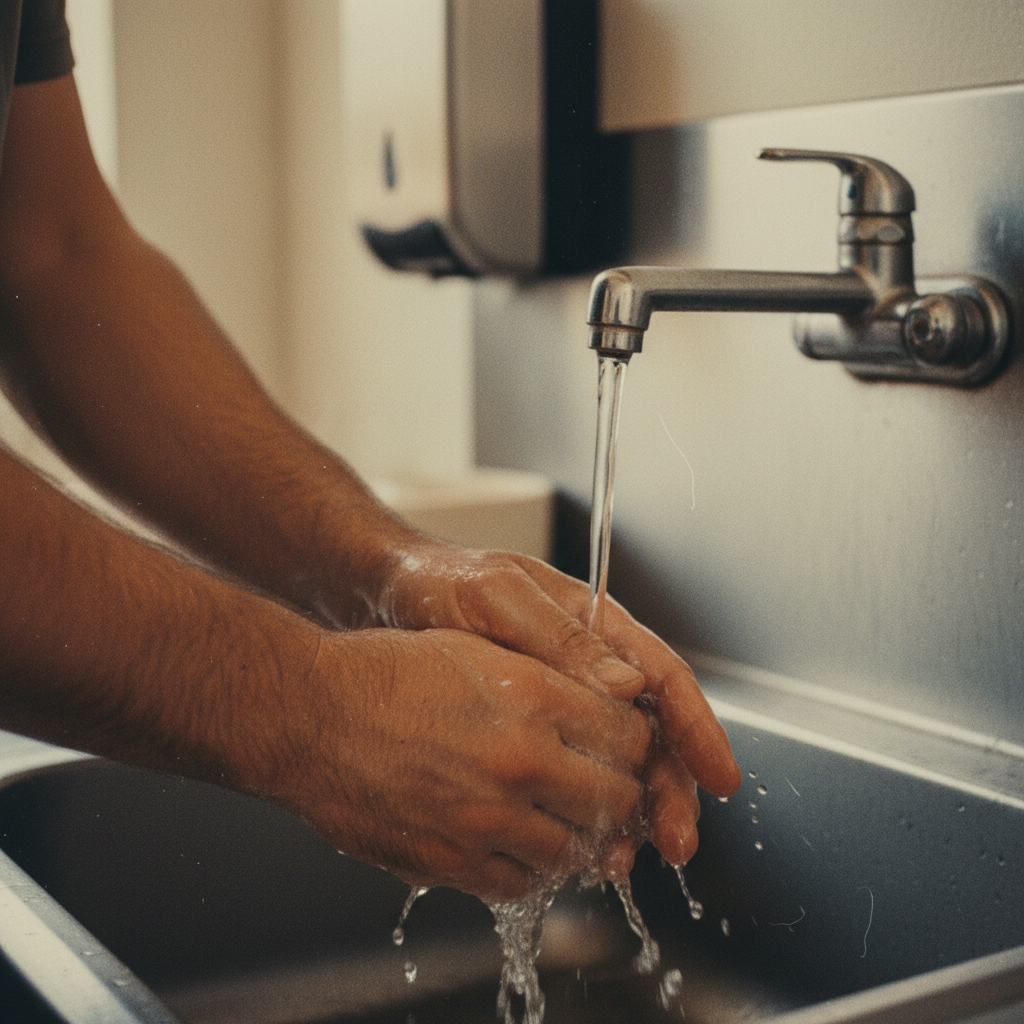
While hand sanitizer dispensers are a convenient secondary measure, they do not replace the legal requirement for dedicated handwashing stations on most jobsites. To meet worksite sanitation requirements Utah contractors must provide facilities that feature running water, soap, and a means for drying hands, such as individual paper towels or electric blowers. Under Utah Administrative Code R614-3-15, employers are required to provide at least one handwashing facility for every 30 employees. This standard ensures that workers can effectively remove contaminants that alcohol-based gels cannot address, such as heavy dirt, grease, or specific construction chemicals.
Water used for these stations must be potable, meaning it is safe for both drinking and personal hygiene. All water containers must be clearly labeled; drinking water and washing water should be distinctly identified to prevent confusion with non-potable water used for dust control or industrial processes. These stations must provide lukewarm, hot, or cold water to remain within code. For projects with unique plumbing constraints, Contact Latrine in Fillmore to discuss portable sanitation and restroom solutions that integrate these hygiene mandates without requiring permanent utility hookups. Utilizing professionally managed sanitation services ensures that potable water tanks are regularly refilled and that soap and towel dispensers never run dry during critical inspection windows.
Maintenance and Documentation: Proving Compliance During Inspections
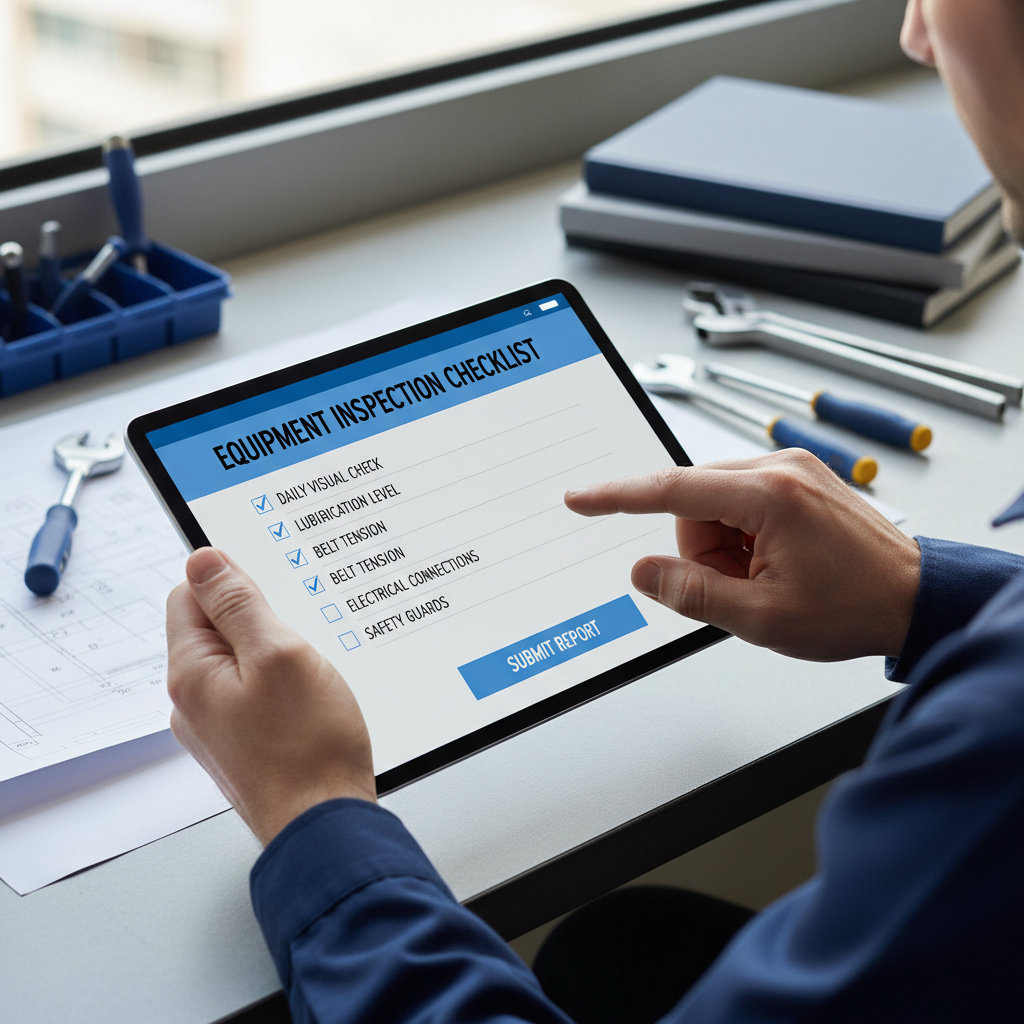
Compliance does not end once the units are delivered to the site. To meet worksite sanitation requirements Utah inspectors look for evidence that facilities are maintained in a sanitary condition at all times. This requirement is legally substantiated through documentation. A service log, either posted on a card inside the unit door or maintained in the main site office, provides tangible proof of regular upkeep during a UOSH inspection. Without a visible record, an employer may struggle to prove that cleaning occurred at the necessary intervals to protect worker health.
Utah codes specifically require that portable units be vermin-proof and equipped with self-closing doors to prevent the spread of pathogens and maintain privacy. For standard operations, a weekly service schedule is typically the baseline for compliance. However, if your crew size increases or if you are running multiple shifts, you must adjust this frequency to prevent overflows and odor issues. Utilizing professionally managed sanitation services ensures that these logistics are handled automatically. These sanitation and restroom solutions include the professional pumping, sanitizing, and restocking of supplies that keep a site within legal bounds. If you need to establish a recurring maintenance schedule that satisfies state regulators and keeps your project moving, Contact Latrine in Fillmore to review your project’s specific documentation and servicing needs.
Utah Weather Challenges: Winter Freezing and Summer Heat in Fillmore
Operating in Millard County requires a proactive approach to extreme temperature swings that can compromise equipment functionality. During the winter months, sub-zero temperatures in Fillmore can cause the liquid in holding tanks to freeze, rendering units unusable and creating a violation of basic worksite sanitation requirements Utah. To combat this, professionally managed sanitation services incorporate non-toxic anti-freeze additives into the brine solution. This specialized mixture lowers the freezing point, ensuring the system remains liquid and pumpable even during extended cold snaps.
Conversely, the high-desert summer heat presents a different set of logistical hurdles. Intense sun exposure accelerates the breakdown of waste, which significantly increases odor levels and attracts pests. Maintaining sanitation and restroom solutions in these conditions requires ensuring that wall vents remain clear of debris to maximize airflow. It is often necessary to increase the cleaning frequency from once a week to twice a week during July and August to prevent bacterial growth from reaching non-compliant levels. Proper placement also matters; whenever possible, units should be positioned in shaded areas or against north-facing walls to minimize direct solar heating. Contact Latrine in Fillmore to discuss a seasonal maintenance plan that accounts for these localized climate realities, ensuring your site stays clean and operational year-round.
Sourcing Compliant Sanitation Solutions in Central Utah
Local expertise is the final piece of the compliance puzzle. Selecting a provider rooted in Central Utah ensures your project adheres to worksite sanitation requirements Utah without the guesswork. Regional providers understand the specific soil conditions in Fillmore and the logistical hurdles of Millard County, ensuring that units stay accessible and upright even during seasonal shifts. Beyond meeting the letter of the law, investing in high quality sanitation and restroom solutions significantly boosts site morale. Modern, well ventilated units and fully stocked handwashing stations show a commitment to professional standards that workers recognize and appreciate.
To start your next project on solid footing, perform a comprehensive sanitation audit. This involves calculating peak headcounts, mapping out the 10 minute walk paths, and identifying stable ground for placement before the first crew arrives. For a detailed assessment and access to professionally managed sanitation services, Contact Latrine in Fillmore to ensure your jobsite remains clean, compliant, and efficient from groundbreaking to completion.
Maintaining compliance with Utah sanitation standards is essential for the safety of your crew and the overall success of your project. By understanding these specific regulations, you ensure your worksite remains efficient, healthy, and legally sound. If you want expert help managing these requirements and selecting the right portable facilities for your location, we are ready to assist. You can learn more about our team to see how we simplify site compliance for construction crews across the state.