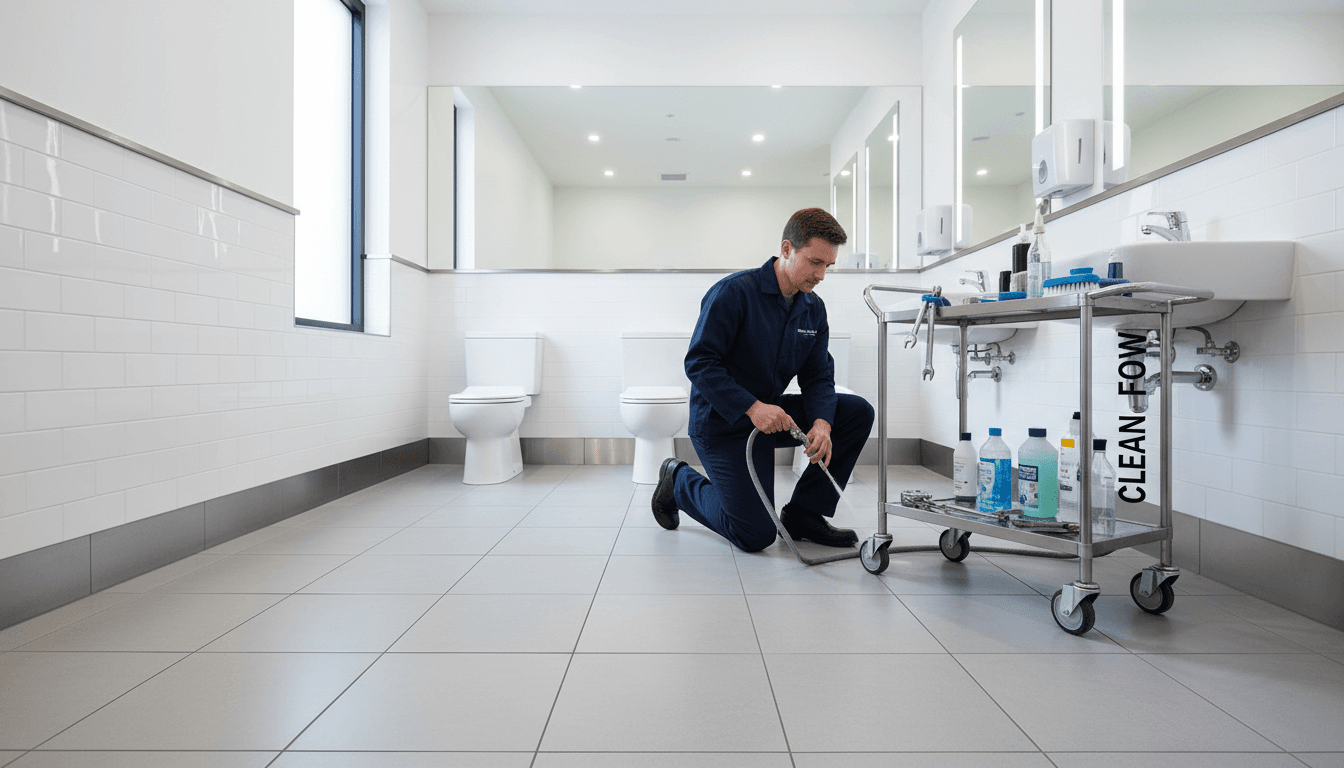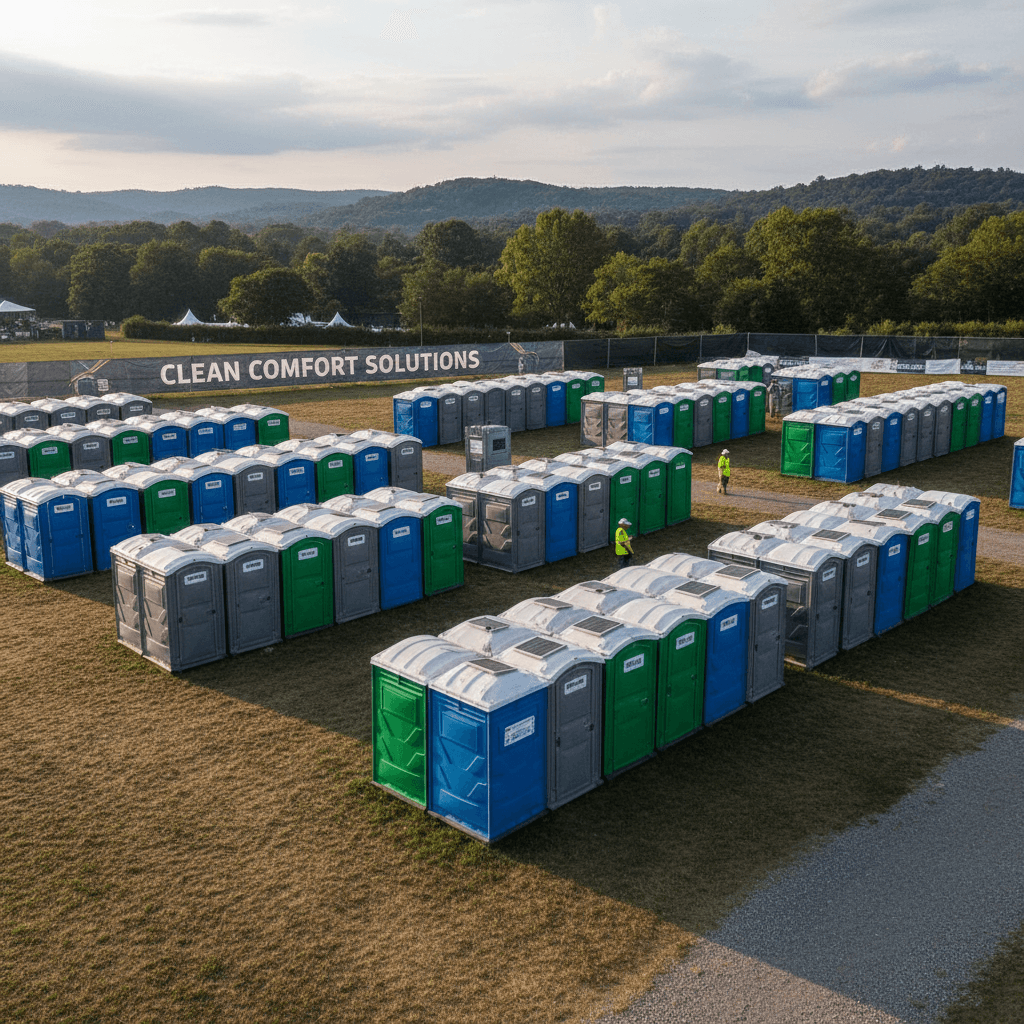
Standard porta potty cleaning and servicing typically occurs on a weekly basis and includes a multi-step process to ensure sanitary conditions for all users. Technicians use specialized vacuum trucks to pump out waste before scrubbing surfaces with high-pressure washers, refilling freshwater, and adding blue deodorizer. This routine maintenance often follows a strict checklist to maintain safety and reliability throughout the duration of your rental.
Nothing disrupts a productive Utah worksite or a high profile outdoor event faster than a poorly maintained portable restroom. When sanitation standards slip, you face more than just foul odors; you risk employee dissatisfaction, hygiene hazards, and potential regulatory fines. Professional servicing is the backbone of site management, ensuring that every unit remains a functional, sanitary asset rather than a liability. In this guide, we detail the rigorous five step cleaning process that defines industry excellence. You will learn about advanced odor control strategies, the logistics of daily versus weekly scheduling, and the critical role of service logs in maintaining OSHA compliance. By understanding the mechanics of professional sanitation, you can ensure your project remains efficient and your guests remain comfortable throughout the duration of your rental.
Why Professional Sanitation Standards Matter for Your Worksite or Event
Maintaining a professional standard for on-site facilities is a fundamental operational necessity. Portable units are not merely a convenience; they are critical health and safety tools that protect both the environment and the people using them. Regular porta potty cleaning and servicing directly influences the productivity and morale of a crew. When a construction site in Fillmore or the surrounding Millard County areas provides clean, well-stocked facilities, it reinforces a culture of respect and professionalism. Neglected units lead to decreased morale and often cause workers to leave the site to find acceptable restrooms, resulting in significant lost billable hours.
For event planners, the stakes are equally high. Guest comfort depends heavily on the quality of the sanitation and restroom solutions provided. A poorly maintained unit creates a lasting negative impression of an entire event. At Latrine, we reject the "pump-and-go" mentality common in the industry. Our technicians follow a rigorous protocol to ensure every unit returns to a "like new" state during every visit. Meeting worksite sanitation requirements in Utah requires more than just removing waste; it demands total disinfection and strict attention to detail. This commitment ensures that your site remains compliant, hygienic, and hospitable for every user, regardless of the project's duration or the event's size.
The 5 Step Porta Potty Cleaning and Servicing Process

Achieving a professional sanitation standard requires a methodical, multi-step protocol performed by trained technicians. At Latrine, we treat every visit as an opportunity to reset the unit to its original delivery condition. This process is not a simple surface clean; it is a deep-level maintenance routine designed to ensure safety and hygiene. The following five steps define our approach to porta potty cleaning and servicing.
### 1. Pumping Waste The process begins with the complete removal of all waste from the holding tank. We utilize specialized vacuum trucks equipped with high-powered suction wands to draw effluent into a sealed storage tank on the vehicle. This step is critical for preventing overflow and managing the total weight of the unit. Once the tank is emptied, the waste is transported to authorized wastewater treatment facilities in accordance with Utah environmental regulations. Proper disposal is a non-negotiable part of our service, ensuring that site waste does not impact the local Fillmore ecosystem.
### 2. Sanitizing and Scrubbing Once the tank is empty, we address the interior surfaces. Technicians use high-pressure sprayers and industrial-grade germicidal cleaners to scrub the walls, floors, and urinals. This step is designed to eliminate bacteria and viruses that can thrive in high-traffic restrooms. We pay specific attention to high-touch areas, including the door handle, the lock, and the toilet seat, ensuring every square inch of the interior is disinfected rather than just rinsed.
### 3. The Blue Goo After the tank is sanitized, we add a fresh charge of deodorizing liquid, often referred to as "blue goo." This solution is a concentrated blend of biocides, surfactants, and fragrances. It serves two primary functions: it breaks down solid waste to prevent clogging and provides a powerful scent barrier to neutralize odors before they escape the tank. This chemistry is essential for maintaining a neutral environment, especially during the warmer months in Millard County.
### 4. Restocking Supplies A clean unit is only functional if it is fully stocked. We replenish the inventory of high-capacity, two-ply toilet paper, ensuring that there is a sufficient reserve to last until the next scheduled service. We also refill the dispensers with alcohol-based hand sanitizer or soap, depending on the unit type. Providing ample sanitation and restroom solutions prevents the frustration of a mid-day shortage on a busy worksite.
### 5. Final Inspection and Wipe Down The final step is a comprehensive wipe down of all surfaces. We use clean cloths to remove excess moisture from the seat, walls, and floor to ensure the unit is dry and ready for immediate use. The technician performs a final walkthrough to check the integrity of the door hinges and vent screens. If you have questions about specific site requirements, you can contact Latrine in Fillmore to discuss a tailored maintenance schedule.
Odor Control Strategies: How to Keep a Porta Potty from Smelling
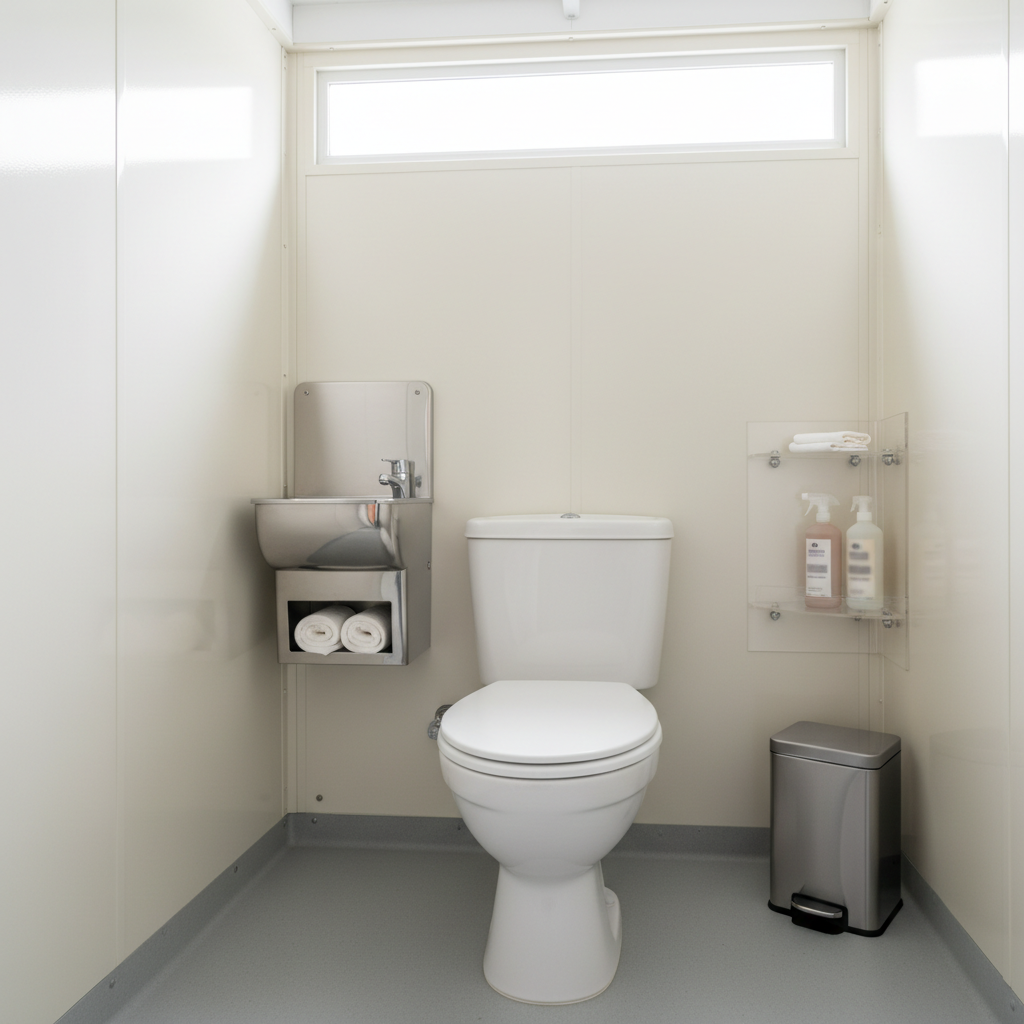
Addressing how to get rid of porta potty smell requires moving beyond simple masking agents. Odor management is a functional science involving proper ventilation, chemical balance, and environmental placement. A portable unit is designed with a chimney effect in mind; vent pipes draw air from the holding tank and release it above the roofline to keep gases away from the user. However, for this system to work, the unit must be placed strategically.
In the Fillmore area, summer temperatures frequently exceed 90 degrees. Direct sunlight causes the interior temperature of a plastic unit to spike, which speeds up the decomposition process and increases the pressure of malodorous gases. Placing units in shaded areas or along corridors with natural wind flow helps the integrated venting system function correctly. When units are tucked into stagnant corners or left in direct 100 degree sunlight, the natural airflow is often insufficient to overcome the heat induced gas expansion.
Chemical intervention is the second pillar of odor control. The specialized solutions used during porta potty cleaning and servicing contain biocides that neutralize odor causing bacteria at the source. These chemicals create a scent barrier that stays active between visits. The most effective way to ensure this barrier remains functional is through regular maintenance. When waste levels rise, the deodorizing solution is diluted. Adhering to professional sanitation and restroom solutions ensures the chemical to waste ratio remains optimal. A well maintained unit, properly placed and serviced according to worksite sanitation requirements in Utah, should remain a neutral and non-offensive environment for every user.
Determining Your Servicing Frequency: Weekly vs Daily
While a weekly schedule is the industry baseline, determining the correct cadence for porta potty cleaning and servicing depends entirely on the volume of users and the duration of the project. A standard unit is engineered to handle a specific amount of waste before the chemical deodorizers become over-saturated and the capacity for hygiene is compromised. For most construction projects, the gold standard is the 10 worker rule: one unit for every 10 workers on a standard 40 hour work week. If a crew expands or shifts transition to 24 hour operations, the frequency of service must increase proportionally to maintain worksite sanitation requirements in Utah.
Planners for high traffic events in Fillmore or the surrounding Millard County area must account for compressed usage. An event with hundreds of attendees over a single weekend requires a much more aggressive strategy than a remote job site. In these instances, daily or even twice-daily servicing becomes necessary to ensure units remain functional and pleasant for guests. When answering the common question, "How often should a porta potty be cleaned out?" use the following guidelines as a starting point for your logistics:
Usage Scenario | Average User Count | Recommended Service Frequency |
|---|---|---|
Standard Construction Site | Up to 10 workers | Once Weekly |
Busy Job Site / Small Event | 10 to 20 users | Twice Weekly |
Community Festivals | 50+ users per unit | Daily |
High-Traffic Public Events | 100+ users per unit | Twice Daily |
Selecting the right frequency prevents the common pitfalls of site management, such as overflowing tanks or supply shortages. If your project involves remote locations or extreme summer temperatures, contact Latrine in Fillmore to adjust your schedule. We provide specialized sanitation and restroom solutions that adapt to these variables, ensuring that your facilities remain an asset to your site rather than a liability. Proactive scheduling is always more cost effective than emergency pump-outs triggered by a neglected maintenance cycle.
OSHA Compliance and Local Utah Sanitation Regulations
Following the right schedule is not just about site comfort; it is a legal obligation under OSHA standard 1926.51. Federal regulations mandate that employers provide a specific number of toilets based on the crew size, and these facilities must be kept in a sanitary condition at all times. Failure to meet these worksite sanitation requirements in Utah can result in significant fines and stop-work orders. Regulatory inspectors look for cleanliness, adequate supplies, and proper waste management as evidence of a safe working environment.
Latrine manages these compliance logistics on behalf of site supervisors. We understand the specific nuances of Utah regulations, particularly when projects move into remote areas of Millard County where municipal water access is unavailable. Our technicians ensure that every unit meets the necessary maintenance standards, providing the documentation needed to prove compliance during an inspection. By delivering professional sanitation and restroom solutions, we remove the burden of regulatory oversight from your project manager. If you are unsure if your current setup meets state or federal guidelines, contact Latrine in Fillmore for a professional assessment. Consistent porta potty cleaning and servicing ensures your site remains operational, hygienic, and fully compliant with all governing standards.
Verification and Accountability: The Importance of Service Logs
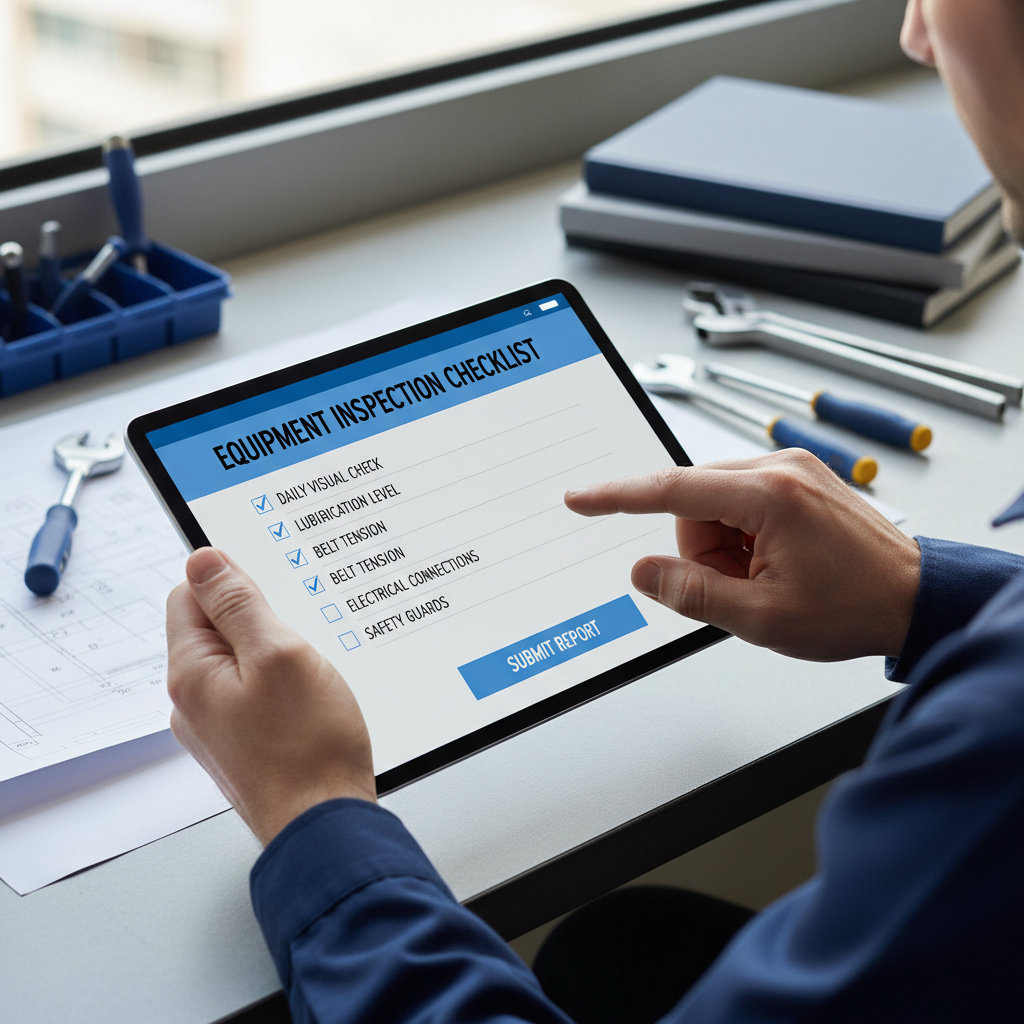
Accountability is the cornerstone of a managed service contract. To ensure every scheduled porta potty cleaning and servicing is completed to our "like new" standard, Latrine utilizes transparent tracking systems that provide site managers with peace of mind. Each unit contains a dedicated service log or digital record that our technicians update immediately after the five-step process is finished. This log serves as your verifiable proof of service, noting the exact date, time, and technician responsible for the unit’s hygiene.
Our technicians act as the front line of site health. Beyond simple waste removal, they are trained to identify potential issues, such as structural wear or vent blockages, before they compromise the facility. This level of verification is essential for meeting worksite sanitation requirements in Utah, as it provides a clear audit trail for project managers and safety inspectors during site reviews. By delivering reliable sanitation and restroom solutions backed by documented evidence, we eliminate the guesswork from your facility management. If you require specific reporting or high-frequency updates for a large-scale project in Millard County, contact Latrine in Fillmore to establish a customized accountability protocol.
Keeping your units sanitized is essential for the comfort and safety of everyone on your Utah site. Regular servicing prevents odors and ensures a professional environment for guests or workers. While knowing what to expect helps you plan, managing the maintenance schedule yourself can be a challenge. If you want expert help with your portable sanitation needs, our team is here to handle every detail. You can learn more about our commitment to reliable service to see how we keep your site running smoothly.