A general rule of thumb is to provide one portable restroom for every 50 guests for an event lasting up to four hours; however, construction sites typically require one unit for every 10 workers. Determining how many porta potties do i need depends on factors like the presence of alcohol, the duration of the gathering, and the specific type of event. For high-end occasions like weddings, increasing the ratio to one unit per 25 guests is often recommended to ensure guest comfort.
Planning a large event in Fillmore or managing a busy job site in Central Utah brings many logistical headaches, but few are as critical as sanitation. Nothing stalls productivity or ruins a guest’s experience faster than inadequate restroom facilities. If you under-calculate, you face long lines, frustrated workers, and sanitation failures that can breach OSHA standards. Getting the number right requires more than a simple guess; it demands a strategic look at headcount, duration, and specific site factors. In this guide, we will break down the exact ratios for events ranging from 100 to 1,000 guests and outline the legal requirements for construction projects. You will learn how to adjust for food and beverage service, determine the necessary maintenance frequency, and ensure your Utah site remains clean and compliant throughout the duration of your project.
The Quick Answer: Estimating Your Portable Toilet Needs
Determining the correct inventory for a project or gathering begins with two fundamental industry benchmarks. For public events, the standard is the Rule of 50: provide at least one portable toilet for every 50 attendees when the event lasts four hours or less. On construction sites, the calculation follows the Rule of 20, which aligns with standard safety guidelines by providing one unit for every 20 workers during a standard 40 hour work week.
These formulas provide a baseline for reliable sanitation services, but they rarely represent the final count. Estimating how many porta potties do I need requires looking at specific environmental and logistical factors that increase demand. If guests are consuming food and beverages, especially alcohol, usage typically increases by 30 to 40 percent. Similarly, events stretching beyond the four hour mark or worksites with multiple shifts require a higher ratio of units or a more frequent service schedule to maintain hygiene standards.
While these rules of thumb offer a quick estimate, they are only the foundation. Variables such as site layout, temperature, and specific worksite sanitation requirements in Utah will dictate the final logistics. Proper planning ensures that facilities remain clean and accessible without overextending your budget.
How Many Porta Potties for Events with 100 to 1,000 Guests
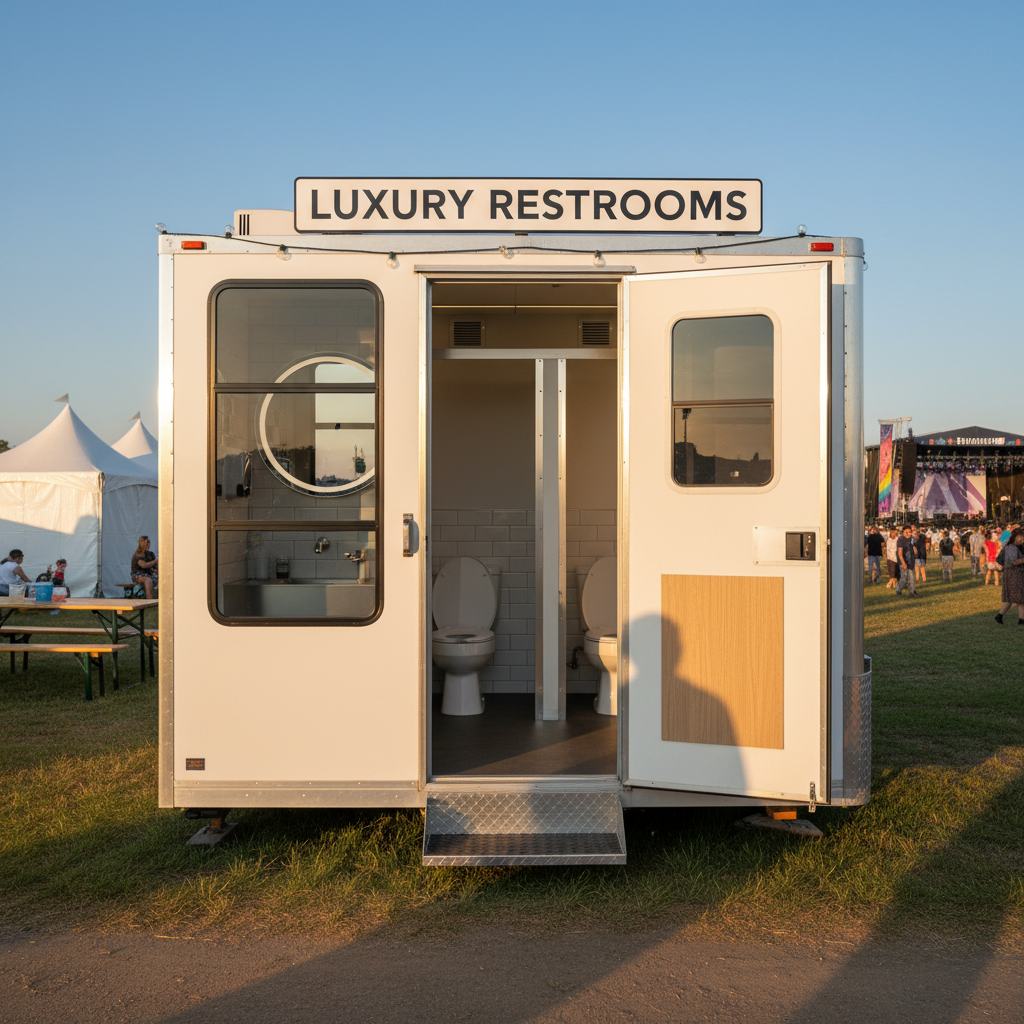
Moving from general rules to specific guest counts requires a more nuanced approach to logistics. For a gathering of 100 people, the Rule of 50 technically suggests two units for a short event. However, two units should always be the absolute minimum for comfort. This redundancy ensures that if one unit becomes soiled or runs out of supplies, your guests still have a functional option. For events involving 300 guests, you should plan for at least 6 to 7 units to maintain a steady flow and prevent long queues during peak periods, such as immediately following a ceremony or during a meal break.
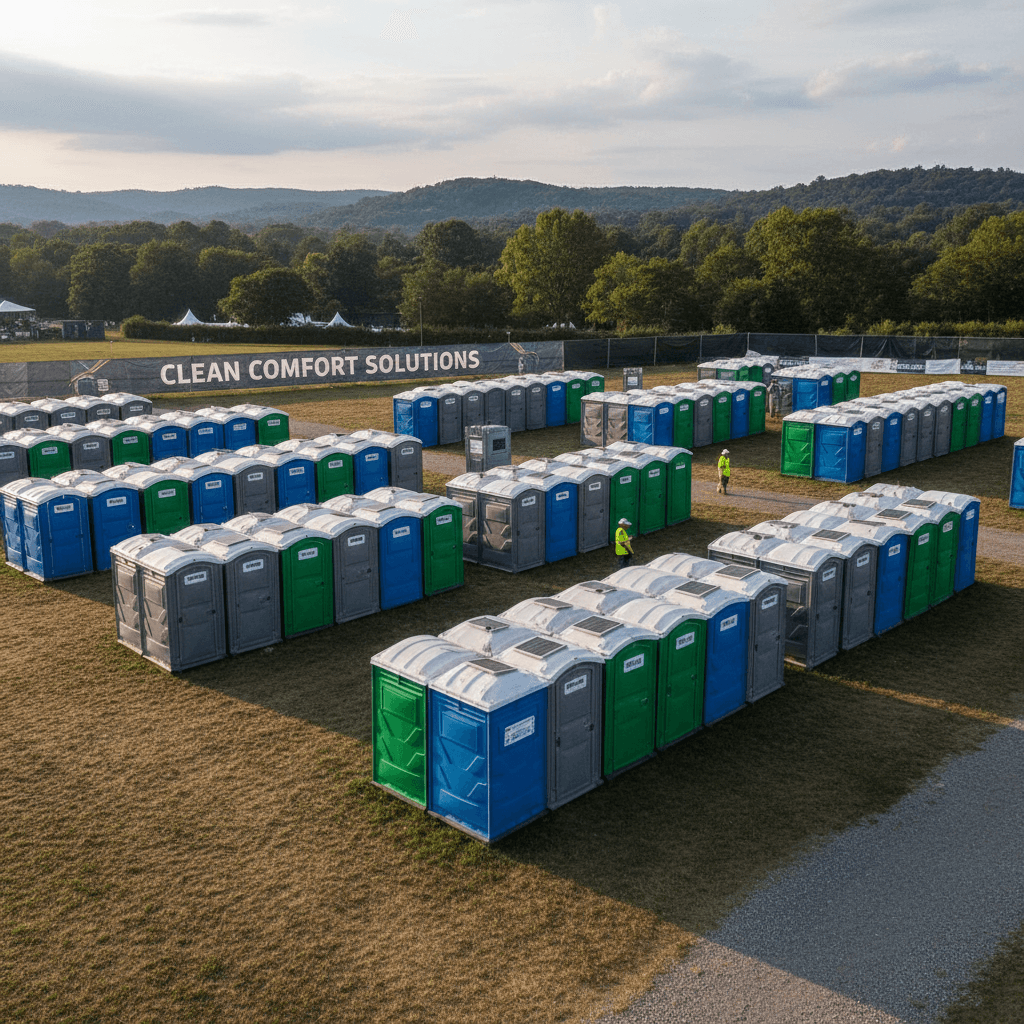
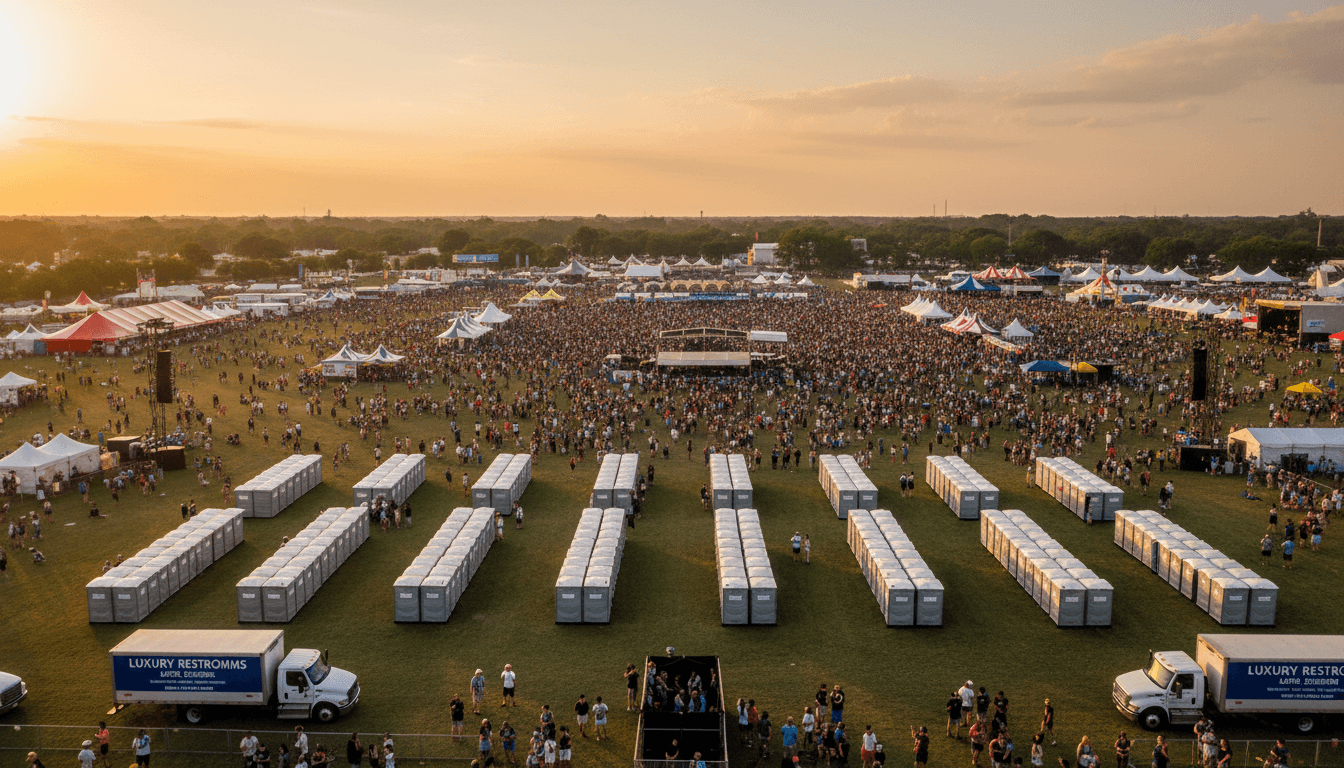
When scaling up to 1,000 guests, the logistics of placement become just as important as the unit count itself. At this scale, you will need roughly 20 to 25 units. You must decide between grouping them in a single large bank or scattering them across the venue. Centralized banks are easier for our team to service and maintain, while scattered placement is often preferred for large, sprawling venues where walking distance is a concern. Providing reliable sanitation services at this volume requires careful planning to ensure heavy traffic does not lead to rapid site degradation.
Guest Count | Units (Up to 4 Hours) | Units (Up to 8 Hours) |
|---|---|---|
100 Guests | 2 Units | 3 Units |
300 Guests | 6 Units | 9 Units |
500 Guests | 10 Units | 15 Units |
1,000 Guests | 20 Units | 30 Units |
For outdoor weddings in Utah, the calculation often shifts away from pure volume toward guest experience. Expectations for cleanliness are significantly higher for weddings than for community festivals. In these cases, we often recommend increasing the unit count by 20 percent or opting for luxury restroom trailers. If your event is in a remote area near Fillmore, contact our team to discuss how site accessibility affects these placement strategies. Properly determining how many porta potties do I need ensures that the sanitation infrastructure remains a background detail rather than a distraction for your guests.
Calculating Portable Restroom Needs for Construction Worksites
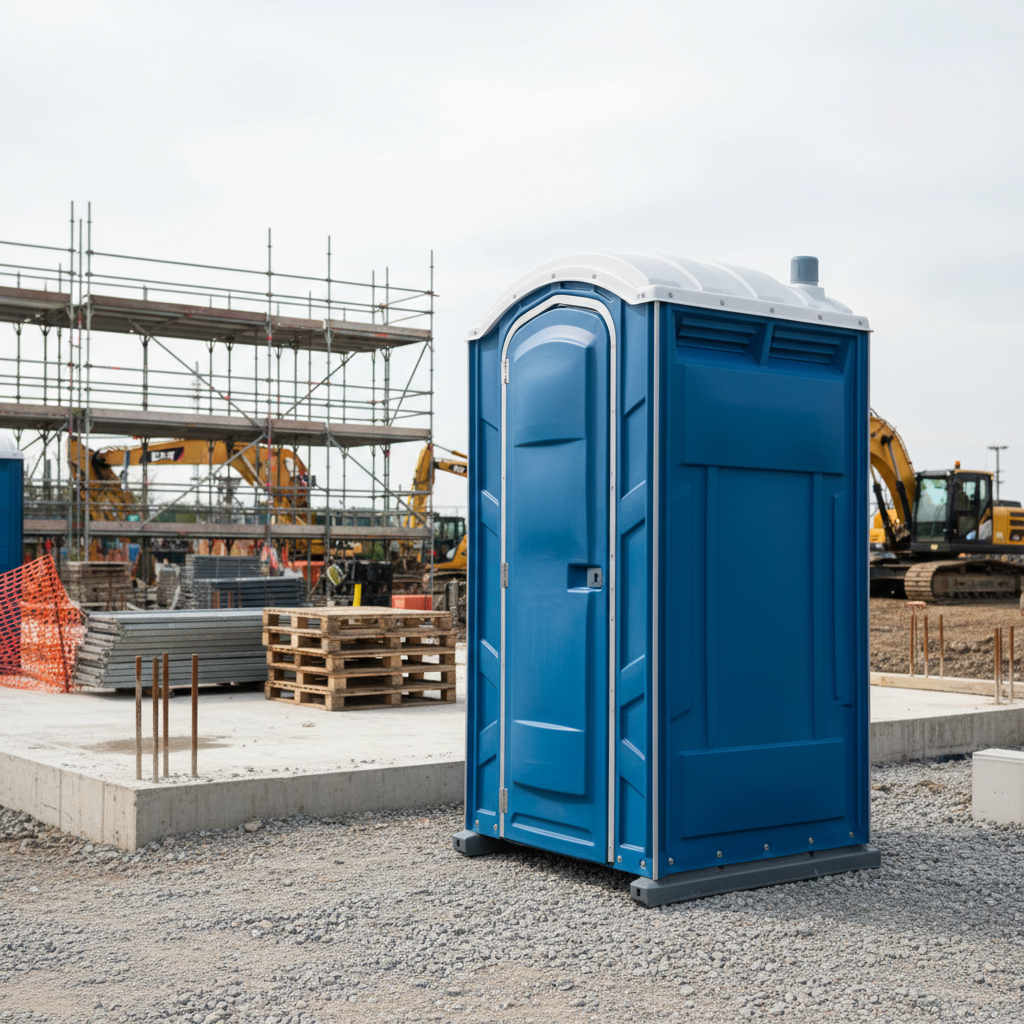
Construction projects require a shift in perspective from guest comfort to operational efficiency. While OSHA sets a minimum baseline, determining how many porta potties do i need on a job site depends heavily on the physical layout of the property. A small, five-person crew working on a tight residential lot has different logistical needs than a similar-sized crew grading a ten-acre industrial site. If workers must hike several hundred yards to reach a single central unit, the resulting downtime directly impacts your project timeline and bottom line.
Productivity is a major factor in unit placement. Industry data suggests that a worker spends significantly more time away from their post if the restroom is located more than a few minutes away. For expansive sites or multi-story buildings, we recommend placing units at various high-traffic points or on different levels. This ensures that reliable sanitation services are always within reach. For linear projects, such as road construction or utility work in Millard County, mobile units that move with the crew are often more effective than a stationary bank of toilets.
Number of Workers | Minimum Units (40-Hour Week) | Recommended for Efficiency |
|---|---|---|
1 - 20 | 1 Unit | 2 Units (if site > 2 acres) |
21 - 40 | 2 Units | 3 Units |
41 - 60 | 3 Units | 4 Units |
Furthermore, worksite sanitation requirements in Utah mandate that facilities remain readily available. If your site is divided by heavy machinery paths, trenches, or geographic barriers, you should add units to ensure no worker is cut off from a facility. If you are unsure about the geography of your project, contact our team to review your site map and optimize your placement strategy.
OSHA Sanitation Standards and Worksite Compliance
While site layout dictates efficiency, federal law dictates the minimum safety standard. OSHA standard 29 CFR 1926.51(c)(1) explicitly requires employers to provide toilets for employees. For Utah contractors, failing to meet these worksite sanitation requirements in Utah is not just a logistical oversight; it is a regulatory violation. Contractors often ask how many porta potties do i need to stay compliant; the answer begins with your peak worker count.
To answer a common industry concern: it is illegal to not have a porta potty on a jobsite unless the site provides other accessible, compliant facilities nearby. In Utah, the Labor Commission and OSHA can issue significant fines for non-compliance. Beyond the financial penalties, inadequate sanitation can lead to stop work orders or liability claims regarding worker health and safety.
The specific ratios required by OSHA depend on the total headcount present at any one time.
Number of Employees | Minimum Number of Facilities |
|---|---|
20 or fewer | 1 toilet |
21 to 190 | 1 toilet and 1 urinal per 40 workers |
200 or more | 1 toilet and 1 urinal per 50 workers |
Meeting these standards ensures you maintain reliable sanitation services while avoiding legal headaches. If you are managing a crew that fluctuates in size during different phases of a project, contact our team to adjust your inventory before you fall out of compliance.
Key Factors That Increase Your Porta Potty Requirements
Baseline calculations often fail to account for the physical realities of human consumption and event duration. When planning a public gathering, you must consider the multiplier effect. The presence of alcohol is the most significant variable; it typically increases restroom usage by 30 to 40 percent. If your event involves beer gardens or cocktail hours, the standard math for how many porta potties do i need must be adjusted upward to prevent long lines and unsanitary conditions.
Event duration also dictates unit capacity. While a two hour event might scrape by with the bare minimum, any gathering exceeding four hours puts excessive strain on the holding tanks. Increased volume without a corresponding increase in unit count leads to odor issues and full tanks before the event concludes. Providing reliable sanitation services requires anticipating these peak usage periods rather than just meeting a minimum headcount.
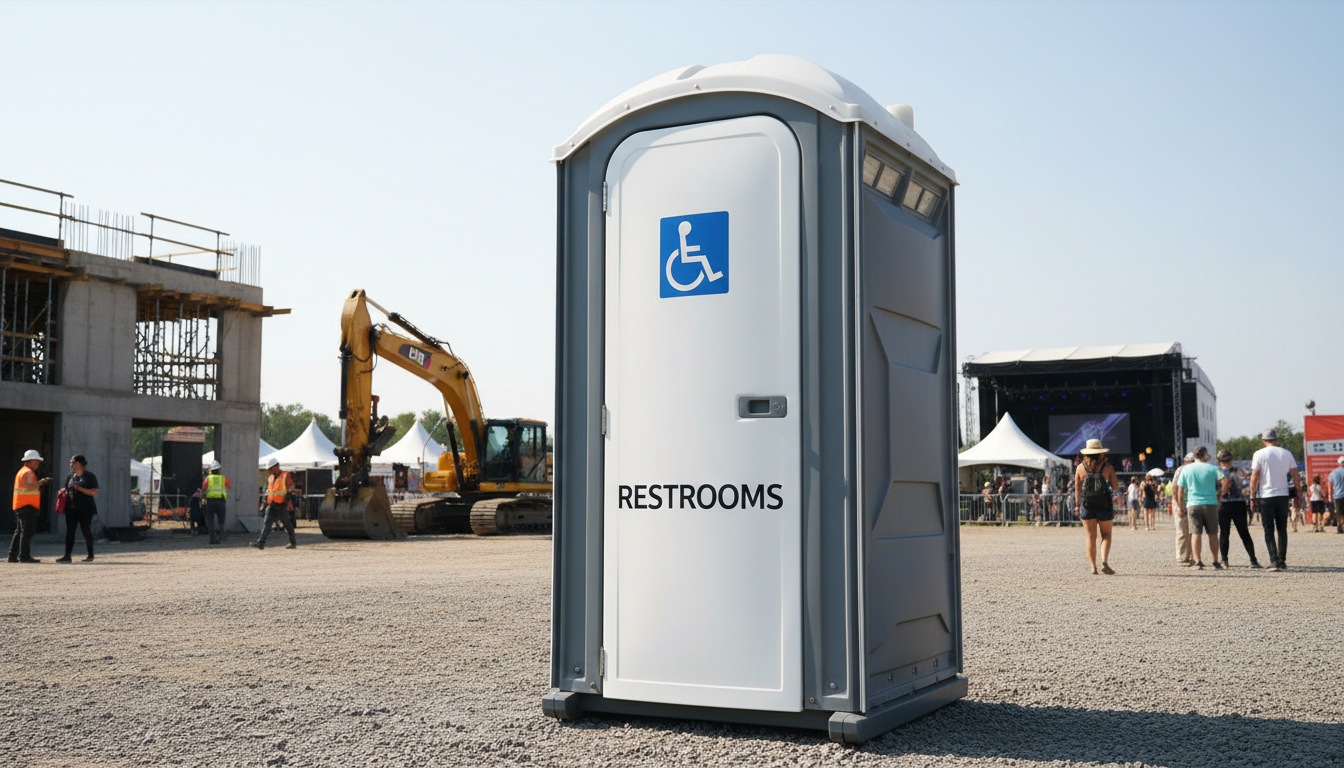
Inclusivity and legal standards are equally vital. For public events, industry best practices and accessibility laws suggest that 50 percent of your units should be ADA compliant. These larger units accommodate wheelchairs and provide necessary space for parents with children. Integrating these high capacity, accessible options ensures your site remains functional for all attendees. If you are balancing guest counts against a strict budget, contact our team to determine which specific multipliers apply to your Fillmore event.
Servicing Schedules and Keeping Facilities Clean
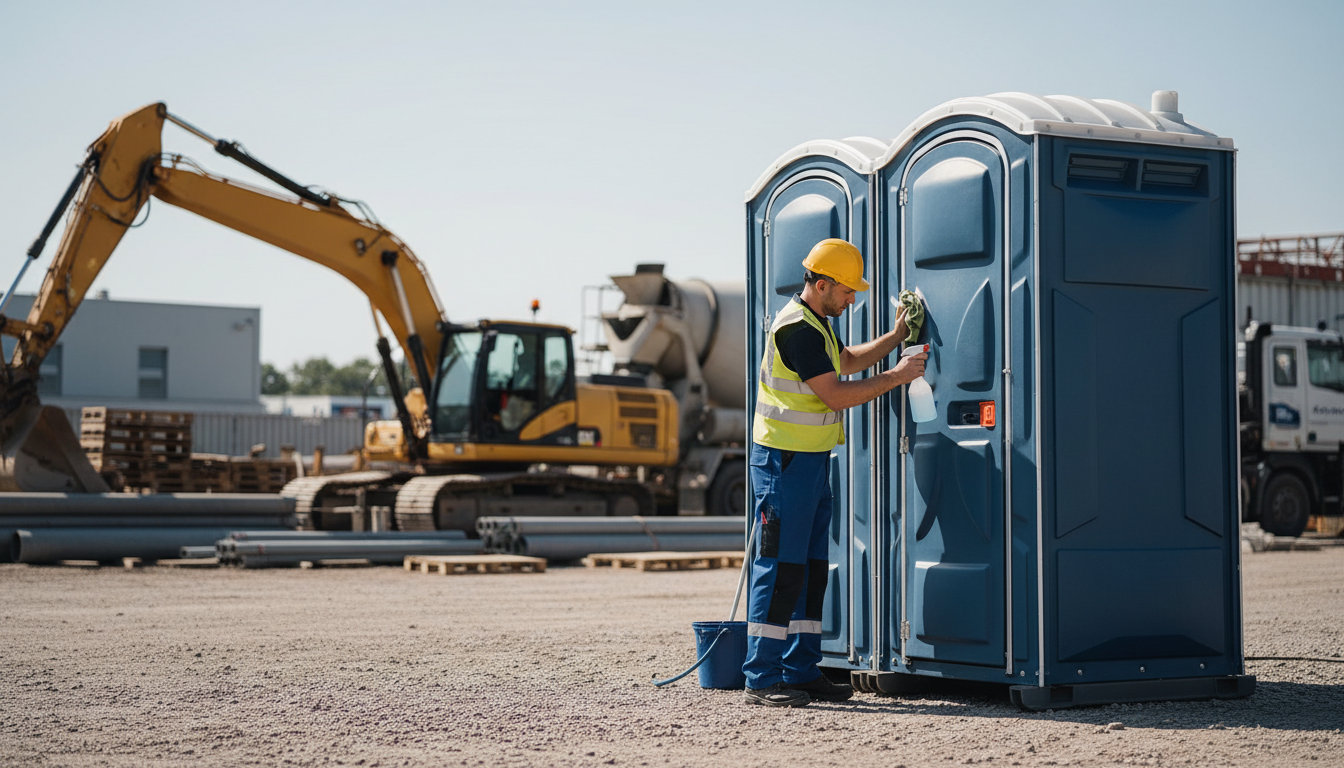
The quantity of units you rent is only half of the equation; the maintenance frequency is what actually preserves the user experience and site hygiene. For standard construction projects in Millard County, a weekly service visit is the industry baseline. This cycle typically keeps a unit functional for a 20 person crew during a standard work week. However, when you calculate how many porta potties do i need for high traffic public events, the volume of waste and local temperatures can quickly overwhelm a weekly schedule. During Utah’s intense summer heat, units at festivals or county fairs often require daily or even twice daily servicing to mitigate odors and maintain hygiene.
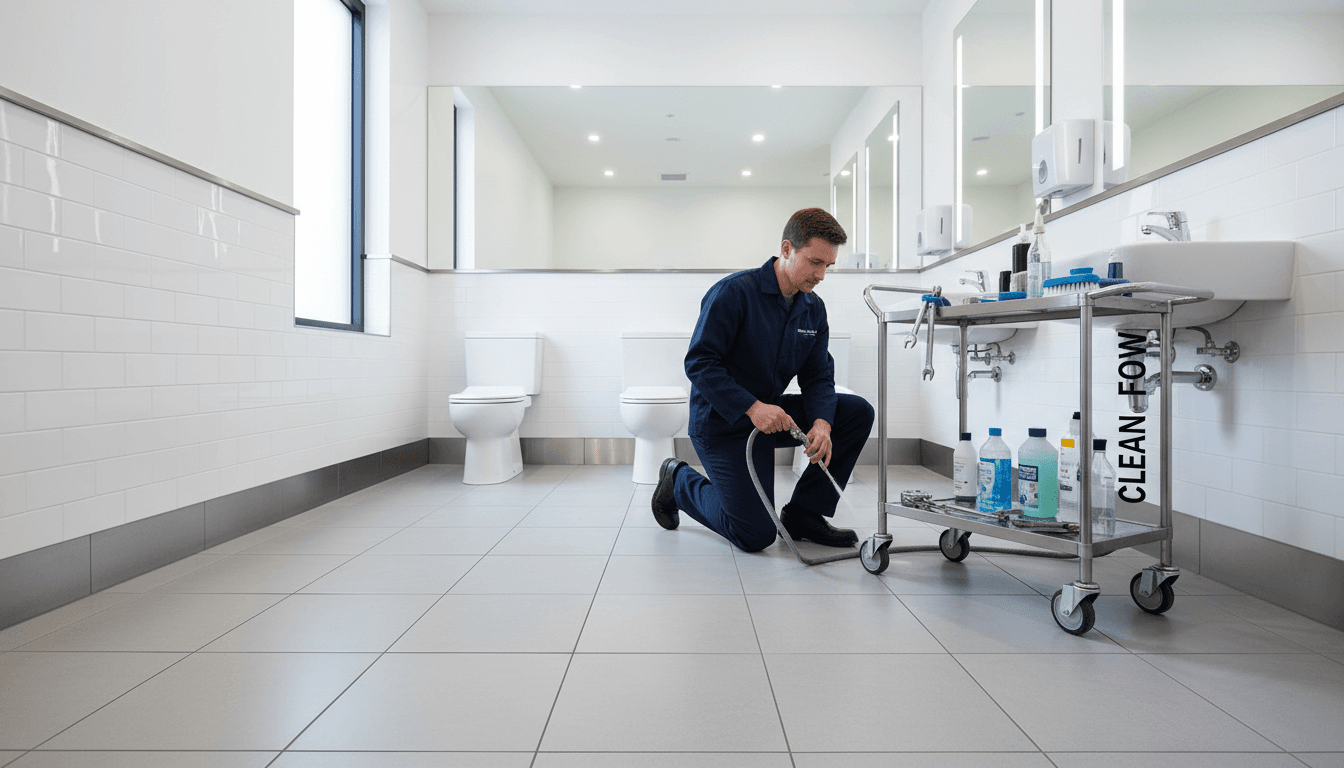
A professional service visit involves more than just a quick check. Our process ensures reliable sanitation services through a four step protocol:
Pumping: Vacuuming out the holding tank to restore full capacity.
Cleaning: Scrubbing all interior surfaces, including walls, floors, and toilet seats, with hospital grade disinfectants.
Restocking: Replenishing toilet paper and hand sanitizer to prevent mid event shortages.
Deodorizing: Recharging the tank with blue additive and fresh fragrance to combat the effects of the high desert climate.
For projects following strict worksite sanitation requirements in Utah, keeping detailed records of these service intervals is essential for compliance. If you expect a spike in usage during a specific phase of your project, contact our team to arrange a custom maintenance frequency that keeps your site running smoothly.
Local Considerations for Sanitation in Fillmore and Central Utah
Operating in Fillmore and throughout Millard County requires accounting for the high desert climate. During the peak of summer, intense heat accelerates biological processes in holding tanks, which can lead to rapid odor accumulation if not managed correctly. When calculating how many porta potties do i need for July events like county fairs or local rodeos, standard ratios should be supplemented with enhanced venting strategies and increased concentrations of deodorizing agents. High temperatures often necessitate a service schedule that exceeds the standard weekly baseline to keep units pleasant and hygienic for users.
Geography also dictates logistics for projects in Central Utah. For remote worksites near the mountains or agricultural projects far from the main road, transport accessibility becomes a primary concern. Providing reliable sanitation services in these rugged environments means planning for the time and specialized equipment required to navigate unpaved roads and steep grades. Adhering to worksite sanitation requirements in Utah in rural settings involves ensuring the service truck can reliably reach the site regardless of shifting weather or terrain. If you are managing a project in a remote corner of the county, contact our team to discuss a site specific plan that accounts for both environmental conditions and logistical barriers.