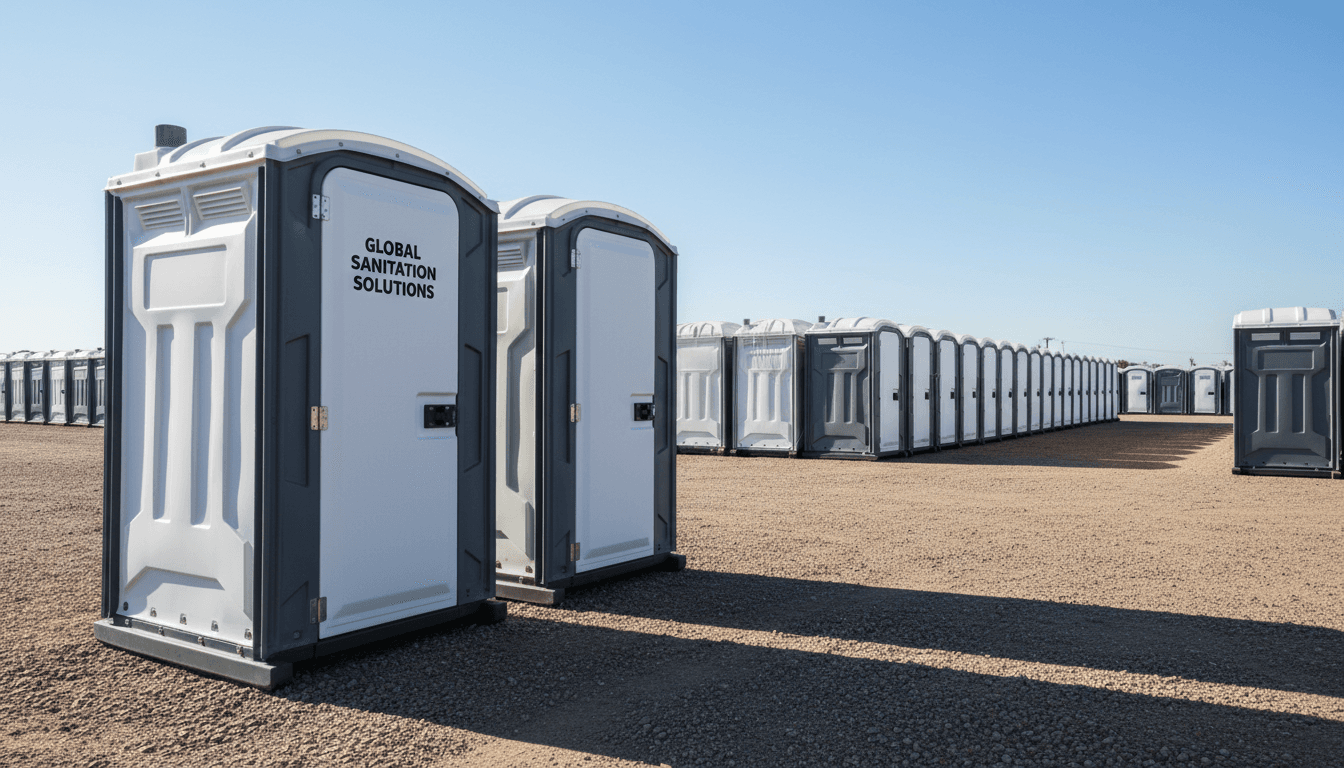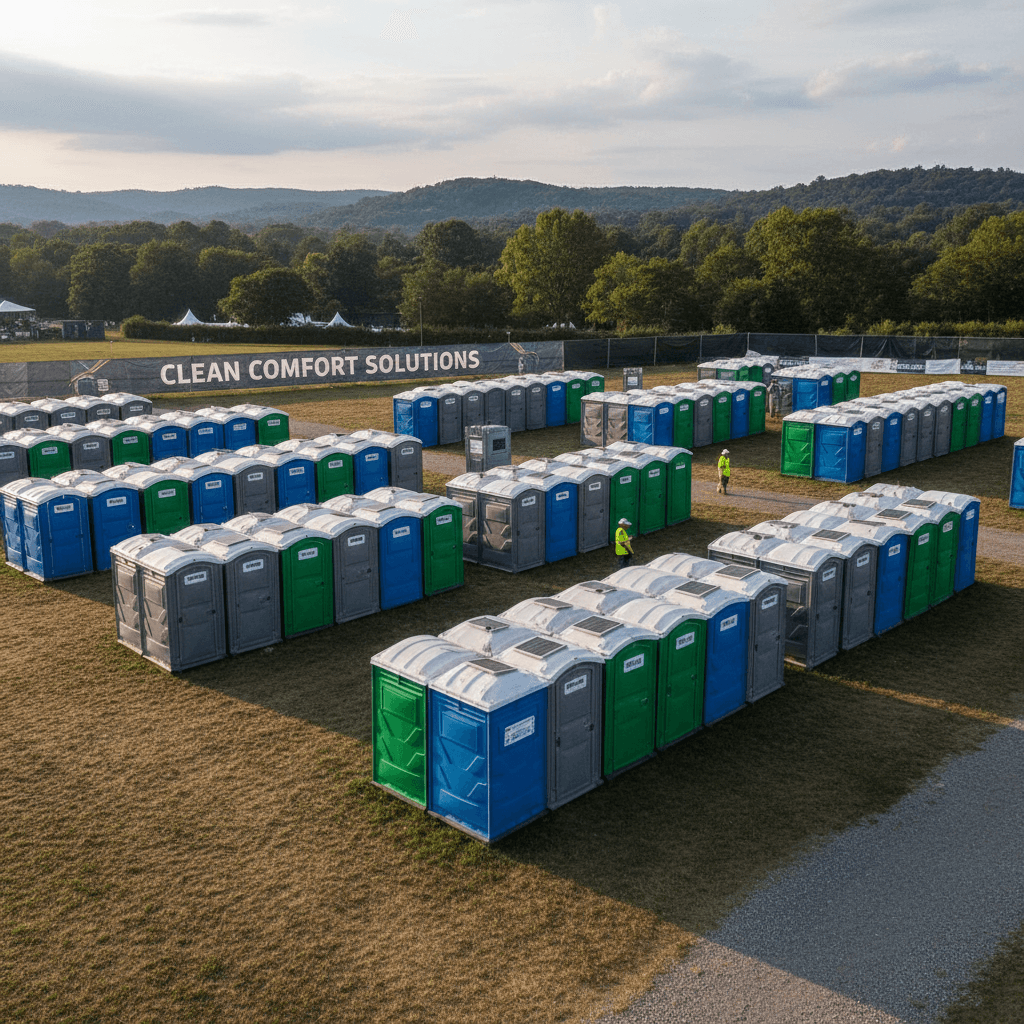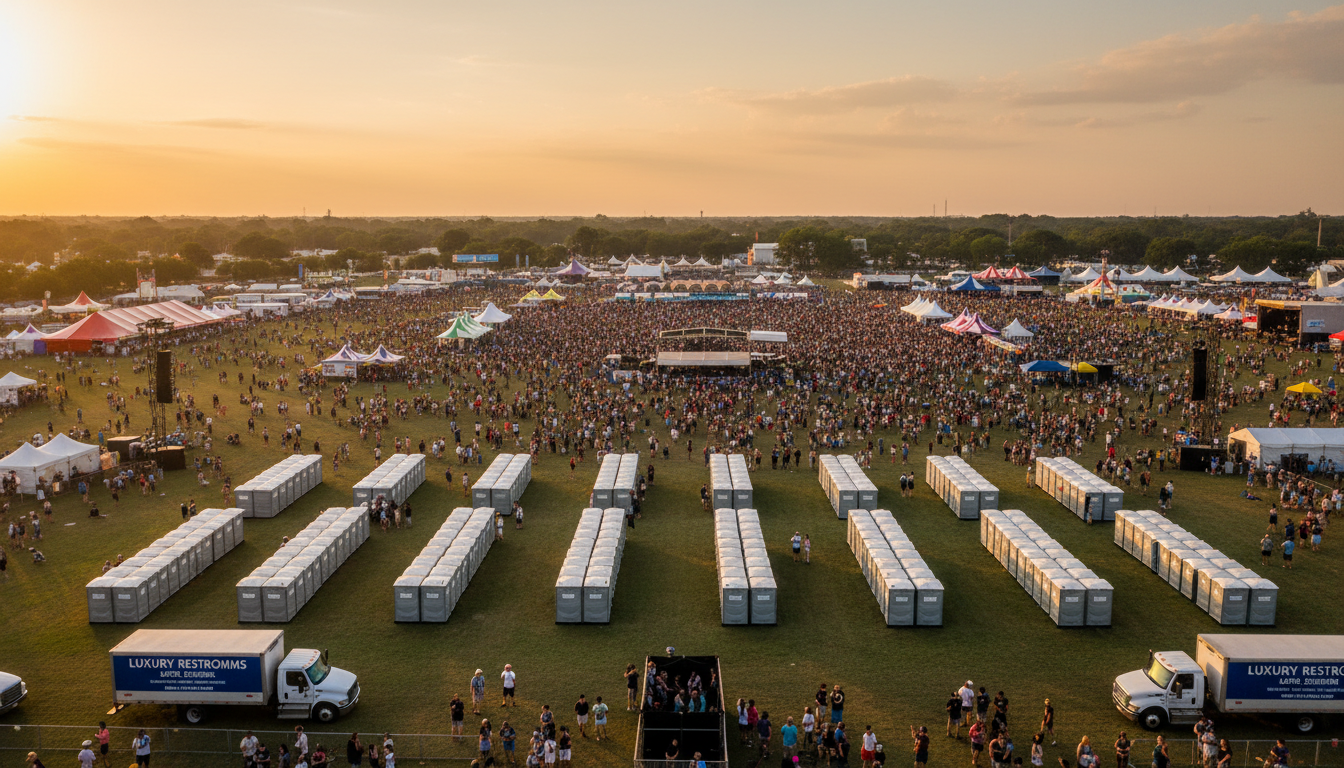
Handwashing station rental provides essential sanitation for Utah events and worksites by offering portable, foot-pump-operated sinks for guests and employees. Organizers should typically plan for one station per ten portable toilets, though requirements may increase for food-related events. These units ensure health compliance and hygiene at any outdoor venue or remote construction project.
Managing a bustling Utah construction site or a high profile outdoor event involves a constant juggle of logistics, but few details are as critical, or as easily overlooked, as sanitation. When handwashing facilities are insufficient or poorly maintained, you risk more than just employee dissatisfaction; you face potential health code violations and the rapid spread of illness that can derail your entire timeline. Ensuring your site remains compliant and hygienic requires a strategic approach to equipment selection and placement. In this guide, we will examine the specific OSHA and Utah health regulations governing portable sinks. We will also provide a clear framework for calculating your equipment needs, identifying strategic placement for optimal flow, and ensuring your stations remain fully functional throughout the state's extreme seasonal shifts.
Why Handwashing Station Rental is Essential for Utah Projects
While portable toilets are usually the first item on a logistics checklist, handwashing station rental is a foundational component of any safe, professional operation. In Utah, environmental factors make hygiene particularly challenging. High-altitude worksites near Fillmore deal with different dust and debris levels than the scorching, arid conditions of the St. George desert. Without accessible water, these environments quickly turn minor health risks into site-wide illness or reduced productivity.
Effective sanitation goes beyond basic comfort; it is a matter of strict compliance. State health codes and OSHA standards often dictate specific requirements for facilities. For example, understanding worksite sanitation requirements in Utah is necessary for avoiding fines and ensuring the safety of every person on the clock. Handwashing stations are mandatory for food service vendors and essential for construction crews who handle chemicals, fuels, or heavy machinery.
Reliability is key in these settings. Relying on Latrine's sanitation services ensures these stations remain functional and stocked, despite the logistical hurdles of remote or extreme locations. Providing professional facilities demonstrates a commitment to quality that mirrors the durability of the equipment itself. High-quality hygiene solutions keep projects running smoothly and ensure every visitor or worker stays healthy.
Utah Health Code and OSHA Requirements for Handwashing
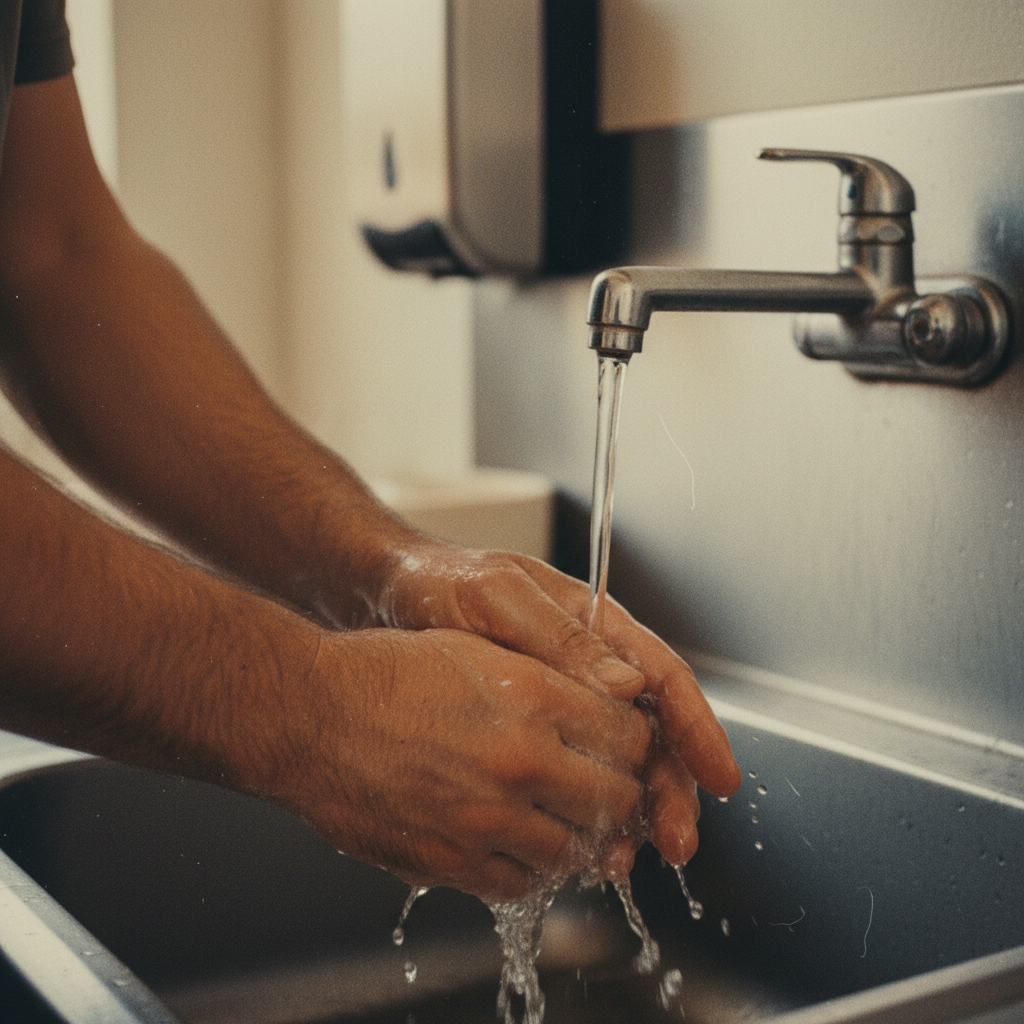
Compliance with hygiene standards is a legal necessity that varies depending on the nature of the project. In Utah, specific administrative codes dictate the minimum requirements for public health. For mass gatherings and large scale events, Utah Admin Code R392:400:15 sets a clear baseline; organizers must provide at least one hand wash station for every ten portable toilets on site. This ratio ensures that even during peak usage, attendees have immediate access to sanitizing facilities, preventing the accumulation of bacteria that occurs in high traffic environments.
Operational requirements for construction and industrial sites follow different parameters set by OSHA. Federal and state workplace safety standards require one handwashing station for every 20 employees. Project managers should also consider the 20/20 rule to maintain a productive and safe site; this guideline suggests allowing for 20 seconds of thorough washing for every 20 workers. When facilities are insufficient, hygiene degrades, leading to potential health violations or downtime. Proper handwashing station rental allows sites to scale their hygiene infrastructure to match their workforce size exactly.
Food service operations introduce an even higher tier of regulation. County health departments, including those in Millard and Tooele, enforce strict protocols for temporary food events. These regulations typically mandate that a dedicated handwashing station be placed within the immediate vicinity of every food preparation area. These units must be separate from the facilities provided for the general public to prevent cross contamination between service staff and guests. Relying on Latrine's sanitation services ensures that these specific, high stakes placements are handled with professional precision.
Navigating these overlapping rules is a core part of site management. Adhering to worksite sanitation requirements in Utah avoids the risk of shutdowns or fines from inspectors. While a portable toilet provides a basic necessity, the handwashing station fulfills the legal and biological requirement for decontamination. Integrating these stations into a site plan ensures that the operation remains compliant with both Utah state law and OSHA safety mandates.
Calculating Your Needs: How Many Handwashing Stations Do I Need?
Determining the exact number of units requires balancing attendance figures with the specific activities occurring on site. While a standard construction project might prioritize OSHA compliance, a community festival in Millard County must account for high volume usage peaks. Applying the correct formula ensures the site remains functional without overspending on unnecessary equipment.
Project Type | Recommended Ratio |
|---|---|
Construction / Industrial | 1 station per 20 workers |
General Public Events | 1 station per 4 to 6 portable toilets |
Food Festivals | 1 station per vendor plus 1 per 5 public toilets |
For industrial worksites, the 1:20 ratio serves as the baseline for a single shift. If the site operates around the clock, increasing this count prevents bottlenecks during shift changes. General events, such as local fairs or races, should follow a ratio of one station for every four to six portable toilets to ensure users do not skip hygiene steps due to long wait times.
Food festivals require a more aggressive strategy. Beyond the public units, every food vendor must have a dedicated station within their immediate prep area. This prevents cross contamination and keeps vendors compliant with local health department mandates. Failing to provide vendor specific stations can result in immediate shutdowns by inspectors.
Understanding the physical limitations of the hardware is also vital for logistical planning. A standard dual user handwashing station rental typically provides enough fresh water and greywater capacity for 600 to 700 individual washes. In a high traffic setting, this capacity determines how often Latrine's sanitation services must visit the site for refills and pump outs. Planning for these thresholds ensures that water does not run out mid day, maintaining a professional and sanitary environment from start to finish.
Strategic Placement for Maximum Hygiene and Flow
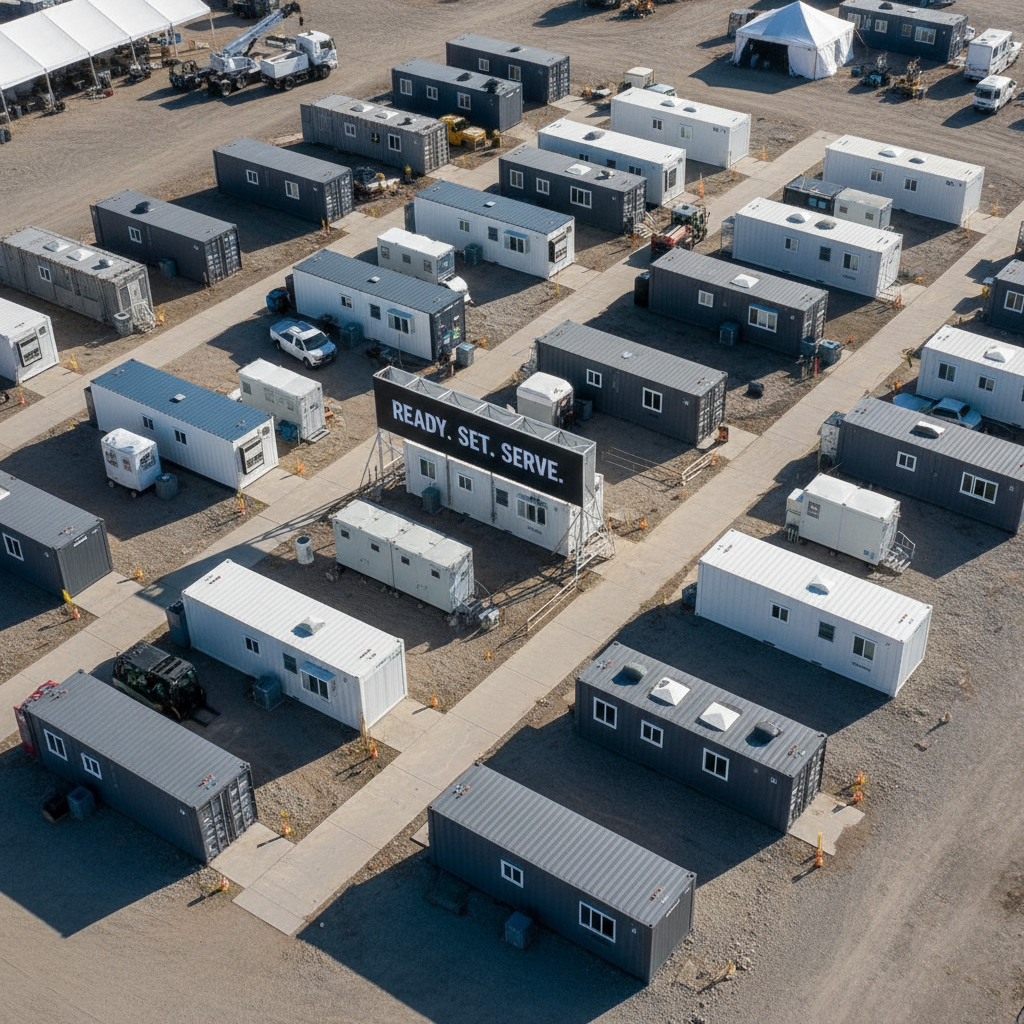
Strategic placement directly influences how frequently facilities are used. Handwashing station rental units should be positioned immediately outside the exit path of every portable toilet cluster. Placing them in the direct line of sight ensures that users transition naturally from the restroom to hygiene facilities without searching. For events with catering or food trucks, a station must be located at the beginning of the service line. This encourages guests to clean their hands before handling food or eating utensils, which is a critical step in preventing foodborne illness.
On Utah industrial sites or construction projects, logic dictates placing units where crews naturally congregate. Positioning stations near break areas or adjacent to tool trailers ensures that workers clean up before meals and after handling equipment. High-touch zones, such as entrance gates or shared material loading areas, also benefit from dedicated stations. Visibility is the most significant driver of compliance. When a station is tucked away in a corner, usage rates drop significantly. Keeping units on level, high-traffic ground ensures they remain accessible to everyone, including those following worksite sanitation requirements in Utah. By integrating these units into the daily flow of the site, Latrine's sanitation services help maintain a professional environment where health and safety are prioritized.
Maintaining Functionality in Utah's Extreme Seasons
Utah's dramatic temperature swings dictate the operational success of any handwashing station rental. Along the Wasatch Front and at high-altitude worksites near Fillmore, winter temperatures frequently drop below freezing, which can cause internal water lines to rupture or foot pumps to seize. To prevent this, units should be placed in areas with maximum sun exposure during daylight hours to leverage natural radiant heat. For long term winter projects, utilizing insulated tank wraps or site specific enclosures helps maintain water fluidity. When temperatures remain consistently sub-zero, professional technicians may use food grade, non-toxic additives to lower the freezing point of the water supply without compromising user safety.
Summer conditions in locations like St. George or the West Desert present the opposite challenge. High heat increases the rate of evaporation in fresh water reservoirs and can cause liquid soap to thicken and clog dispensers. Furthermore, heat accelerates the breakdown of organic matter in greywater tanks, leading to odor issues if the units are not serviced frequently. Increased water consumption is also common during summer festivals as attendees use the stations not just for hygiene, but to cool off. Managing these fluctuations requires a proactive service schedule.
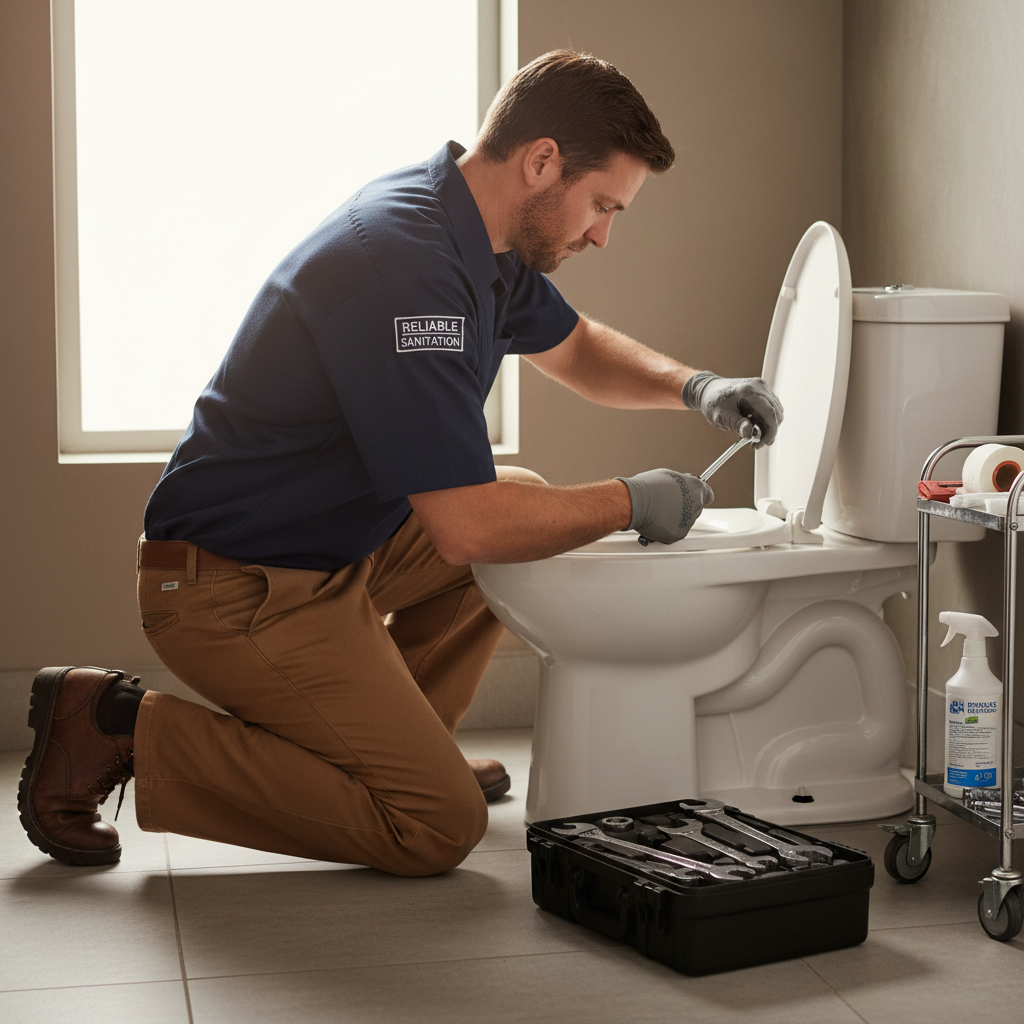
Reliable functionality depends on professional portable toilet maintenance, which includes deep cleaning basins and lubricating mechanical pumps to prevent wear from grit and dust. Latrine's sanitation services ensure that soap and paper towel stocks are replenished before they reach critical lows, keeping the site in line with worksite sanitation requirements in Utah. Regular inspections during these service visits catch minor leaks or pump failures before they result in site wide hygiene lapses.
Handwashing Station Rental Cost Factors
Estimating the budget for a handwashing station rental requires looking at four primary variables: logistics, volume, duration, and labor. The location of the project is the first major consideration. Because Latrine operates out of Fillmore, Utah, delivery to central Millard County is more streamlined than mobilizing equipment to remote wilderness sites or distant corners of the state. Long distance transport involves higher fuel and labor costs, which are reflected in the initial mobilization fee.
The rental period also dictates the rate structure. Short term event rentals often carry a higher daily cost compared to monthly contracts for construction projects. However, the total number of units plays a role; ordering multiple stations for a single site often reduces the cost per unit due to consolidated delivery.
Cost Factor | Impact on Pricing |
|---|---|
Delivery Distance | Mobilization fees based on mileage from Fillmore |
Rental Duration | Daily, weekly, or monthly tiered rates |
Service Frequency | Costs for water refills and greywater disposal |
Unit Count | Potential for volume based discounts |
Servicing is the ongoing cost driver. High traffic sites that require daily refills and greywater pumping will naturally incur higher fees than a low use site serviced weekly. This is particularly important for meeting worksite sanitation requirements in Utah without overextending a budget. While luxury restroom trailers provide built-in sinks, standalone stations remain the most cost-effective solution for high-volume needs. They provide the necessary hygiene infrastructure at a fraction of the capital cost, allowing Latrine's sanitation services to keep large crowds or crews compliant and clean.
Providing accessible handwashing stations is more than just a convenience; it is a vital step for maintaining health and regulatory compliance across Utah. Whether you are managing a busy construction site or hosting a large community festival, the right setup ensures everyone stays safe. If you want expert help selecting the best configuration for your specific location, our team can streamline the process for you. You can learn more about our local sanitation services and how we support projects throughout the Beehive State.