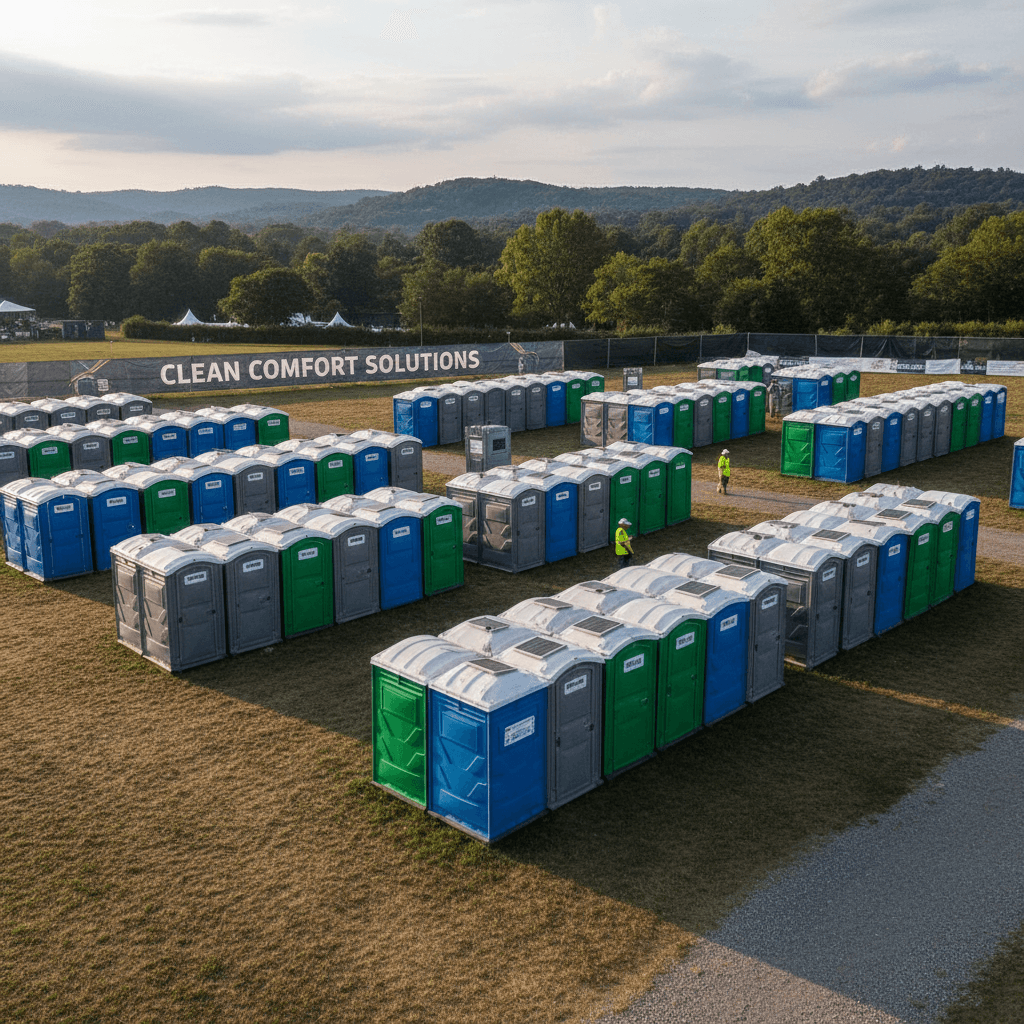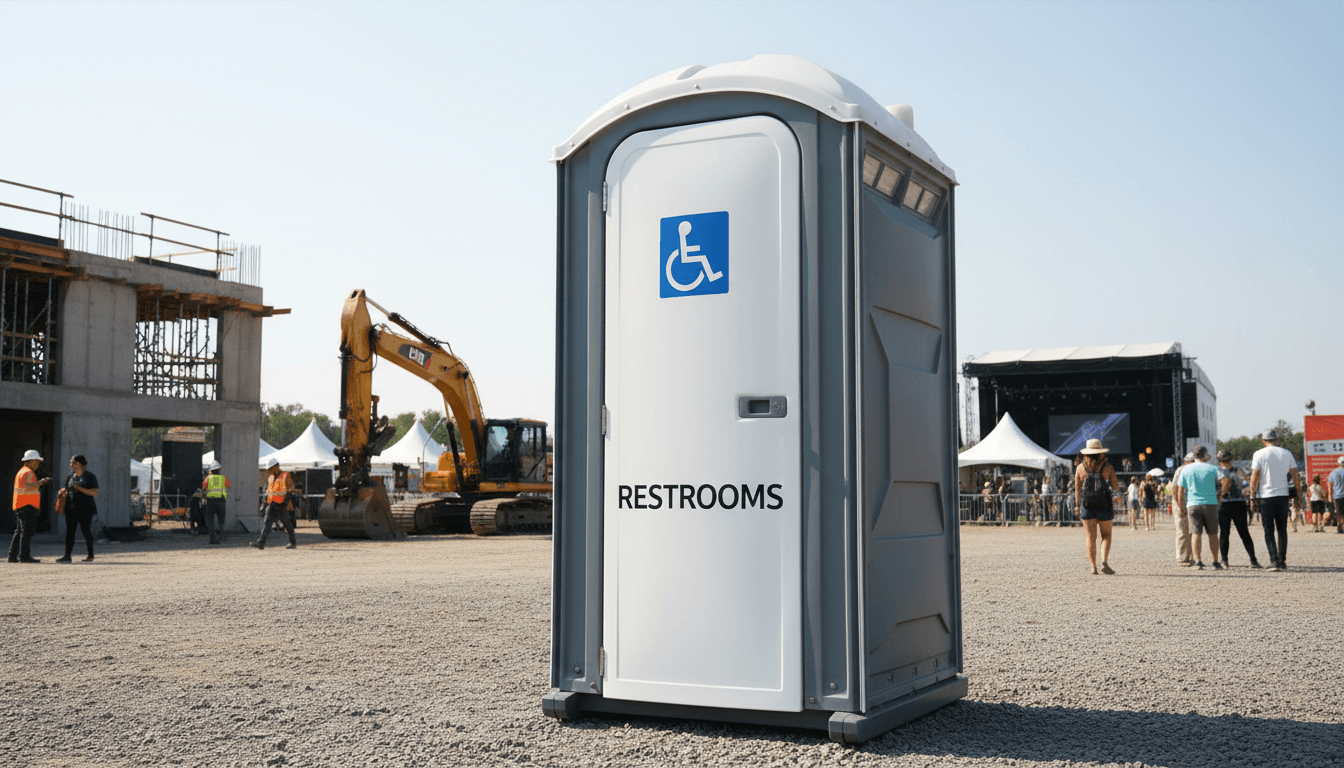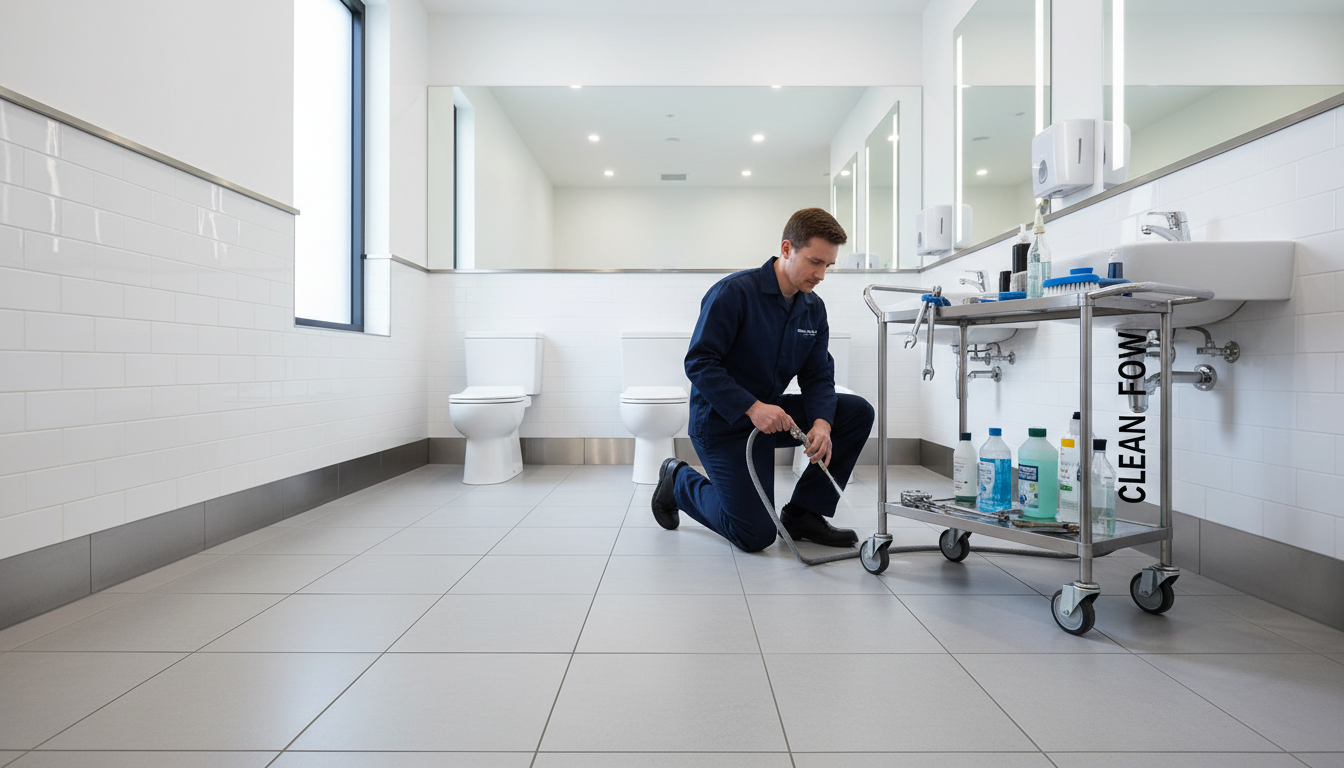
Successful porta potty rental Utah seasonal weather planning requires using antifreeze and windbreaks to prevent freezing in winter while increasing cleaning frequency to manage odors during hot summers. Proper maintenance involves placing units on stable ground and using specific additives to ensure sanitation remains consistent despite extreme temperature shifts. These proactive measures keep facilities functional and comfortable for users year round.
In Utah, your site sanitation is at the mercy of a climate that swings from sub-zero mountain freezes to scorching desert heat in a single year. A neglected portable restroom during a January blizzard or a July heatwave quickly becomes more than an inconvenience; it becomes a liability for your crew and your project timeline. Maintaining hygiene standards requires more than a simple drop-off and pick-up routine. It demands a sophisticated approach to seasonal logistics that accounts for frozen tanks, high-altitude wind gusts, and accelerated bacterial growth in the sun. This guide explores essential strategies for winterizing units, managing summer odors through increased service frequency, and securing equipment against unpredictable storms. By understanding these professional maintenance protocols, you ensure your Utah worksite remains compliant, comfortable, and operational regardless of what the forecast predicts.
The Challenge of Maintaining Sanitation in the Utah Climate
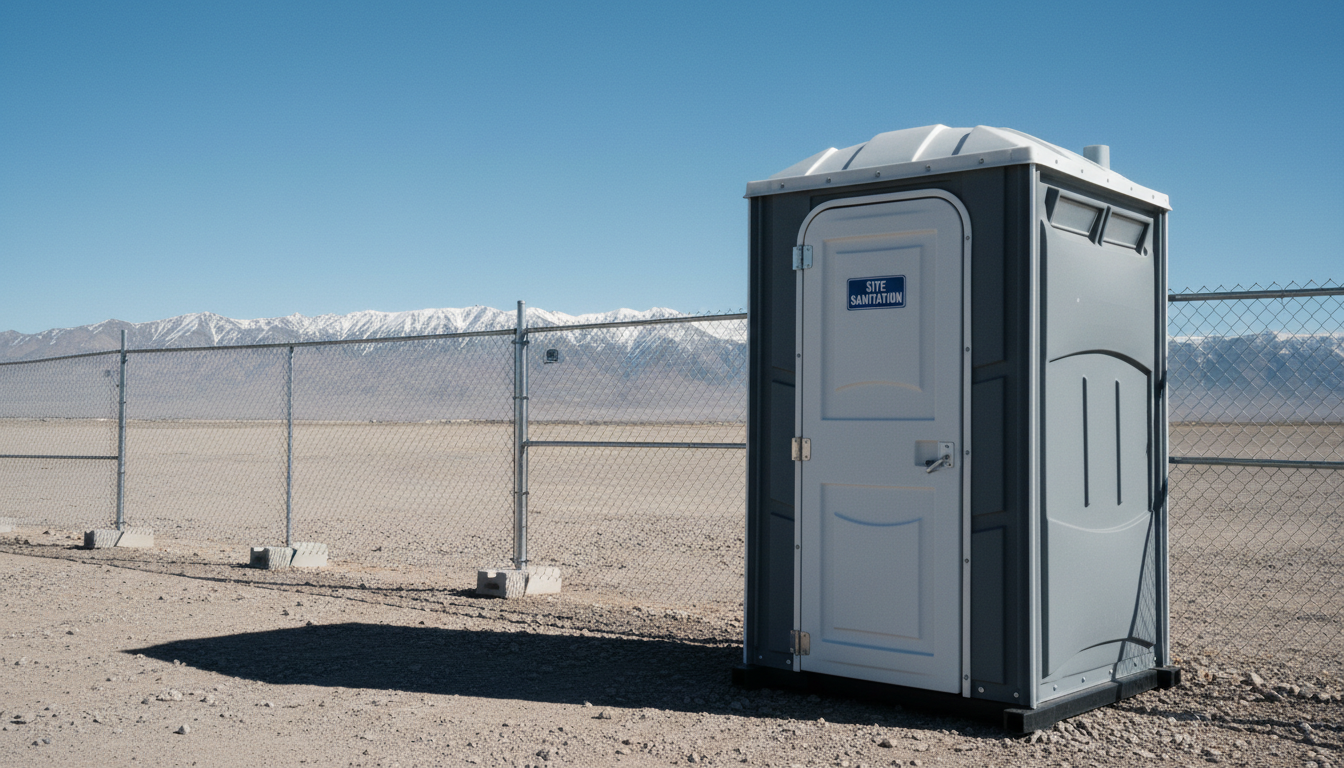
Utah's Intermountain West climate presents a brutal environment for outdoor infrastructure. In Fillmore and the surrounding high-desert regions, a single spring day can start at 25 degrees and climb to 65 by mid-afternoon. These 40-degree swings are more than just a discomfort for workers; they represent a significant logistical hurdle for sanitation. Standard maintenance routines designed for temperate climates often fail here because they do not account for the rapid physical and chemical changes triggered by such volatility.
When temperatures plummet overnight, holding tanks risk freezing. This makes routine pumping impossible and can lead to structural cracks in lower-quality units as the liquid expands. Conversely, the intense high-altitude sun accelerates the biological breakdown of waste. Without proactive adjustments, the heat turns a manageable unit into an odor liability in a matter of hours. Effective porta potty rental Utah seasonal weather planning requires anticipating these shifts before they impact site operations or compliance standards.
At Latrine, we focus on providing systems engineered for these specific local conditions. Reliability in our region is not just about showing up for a scheduled pump; it is about using durable equipment that maintains its integrity through Utah’s aggressive freeze-thaw cycles. We utilize high-potency treatments that do not evaporate in the thin, dry desert air, ensuring facilities remain functional and professional. Managing these facilities in the West involves a strategic understanding of how geography dictates the reality of waste management.
Winterizing Portable Toilets: Strategies for Freezing Temperatures
Preventing a holding tank from turning into a solid block of ice requires more than just luck. For contractors and event organizers in Fillmore, the primary strategy involves modifying the chemical composition of the tank liquid. We utilize non-toxic antifreeze additives, specifically magnesium chloride or concentrated brine solutions, to lower the freezing point of the effluent. Unlike standard water-based solutions that expand and solidify, these mixtures remain pumpable even when the thermometer dips well below zero. This ensures that routine servicing can proceed without interruption, which is a critical component of porta potty rental Utah seasonal weather planning.
Beyond chemical treatments, the physical orientation of the unit plays a massive role in temperature regulation. Thermal management begins with leveraging natural solar heating. By placing units in open, sunny areas, the dark plastic walls of the restroom absorb ultraviolet radiation, raising the interior temperature by several degrees compared to shaded spots. Furthermore, the unit should be positioned with the door facing away from prevailing winds. In Utah, north winds can drive cold air through vents and door gaps, rapidly stripping away any accumulated heat. Shielding the entrance reduces this wind chill effect and keeps the interior more habitable for users.
Structural integrity is the final piece of the winterization puzzle. Extreme cold can make inferior plastics brittle, leading to hairline fractures when the ground shifts or the tank contents expand slightly. Latrine utilizes heavy duty, impact-resistant equipment designed to withstand these stresses. Our units are engineered to remain flexible enough to handle freeze-thaw cycles without leaking or cracking at the base. Finally, because traditional water-based hand washing stations often fail in mid-winter, we prioritize high-alcohol hand sanitizers. Since alcohol does not freeze until it reaches approximately -174 degrees Fahrenheit, it remains a reliable hygiene solution regardless of how low the temperature drops in the high desert.
Managing Summer Heat: Odor Control and Pumping Frequency
While winter focuses on maintaining a liquid state, summer in Millard County shifts the priority to biological stability and air quality. High temperatures act as a catalyst for waste decomposition, significantly accelerating the release of malodorous gases. In the intense heat of the Utah desert, the standard rate of biological breakdown can double, quickly overtaxing the capacity of a unit that is only serviced on a standard schedule.
To maintain a professional environment, we recommend increasing service frequency from once a week to twice a week during peak summer months. Frequent pumping removes the source of potential odors before they can reach a saturation point that chemistry alone cannot mask. This proactive adjustment is a fundamental part of porta potty rental Utah seasonal weather planning, ensuring that facilities remain functional and inviting even when the mercury climbs toward triple digits.
Placement strategy is equally critical for heat management. Units should be positioned in shaded areas to reduce the internal temperature of the plastic shell, which can otherwise act like an oven. Strategic placement also involves leveraging the vent pipe’s design; by situating the unit in a well-ventilated spot where it can catch a breeze, you facilitate a chimney effect. This natural airflow pulls rising gases out of the tank and disperses them above the unit rather than allowing them to linger in the cabin.
At Latrine, we support these physical strategies with high-potency blue deodorizers specifically engineered for high-heat, low-humidity environments. These concentrated treatments contain specialized surfactants and fragrance stabilizers that do not break down or evaporate in the dry air, providing a consistent chemical barrier against odor between service visits.
Wind and Storm Preparedness for Utah Worksites
While temperature management dominates the conversation, structural stability is often the missing link in porta potty rental Utah seasonal weather planning. High-velocity wind storms in the Intermountain West can occur with little warning, turning an unsecured portable toilet into a significant liability. To prevent tipping, units must be physically anchored to the terrain. On job sites with soft soil, the most effective method involves driving heavy duty stakes through the pre-molded holes in the base skid. For placements on concrete or asphalt where staking is impossible, weighing down the internal base with sandbags or specialized weights provides the necessary ballast to resist sudden gusts.
Stability also depends on the integrity of the surface beneath the unit. During the spring thaw in Fillmore, the ground often becomes saturated and unstable. Placing a restroom on uncompacted dirt invites tilting as the weight of the unit causes one side to sink into the mud. A tilted unit is more than a nuisance; it compromises the door latch mechanism and leads to uneven tank distribution, which can interfere with proper chemical coverage and pumping.
Always prioritize level, compacted ground or gravel pads for placement. If a worksite is prone to mud, utilizing a temporary plywood platform or an equipment pad ensures the unit remains upright and functional throughout the transition between winter and spring. By addressing the physical environment beyond simple temperature control, site managers can avoid the expensive and unhygienic consequences of a wind-toppled or sunk facility. This focus on structural integrity ensures that sanitation remains a reliable utility rather than a weather-dependent variable.
ADA Compliance and Accessibility During Extreme Weather
Maintaining structural stability during wind storms ensures a unit stays upright, but accessibility involves the entire surrounding environment. ADA compliance is a year round mandate that becomes significantly more difficult during Utah’s transition seasons. Federal guidelines and OSHA standards require a specific ratio for sites, typically one ADA compliant unit for every 20 standard portable toilets. However, simply having the correct unit on site does not fulfill the legal or ethical obligation if the entrance is blocked by environmental hazards.
During Fillmore winters, snow removal must extend beyond the main driveway to include the path leading to the ADA unit. A wheelchair or mobility aid cannot navigate through packed snow or frozen slush. Maintenance crews should regularly salt or sand the approach and the unit’s integrated ramp to prevent ice buildup. This is a critical, often overlooked step in porta potty rental Utah seasonal weather planning. If a user cannot safely reach the door, the facility is effectively out of service regardless of how clean the interior might be.
Spring mud season presents a different set of obstacles. The weight of an ADA unit, combined with its larger footprint, requires a firm, level foundation to prevent the ramp from becoming misaligned with the ground. If the soil becomes saturated, the unit can sink, creating a lip that makes wheelchair entry impossible. We recommend using reinforced ground mats or gravel pads to create a stable transition zone. Latrine’s focus on modern, durable systems ensures that our ADA units feature low profile entries and spacious interiors, but the site manager must ensure the approach remains clear of debris, deep mud, and standing water to maintain true accessibility for all workers and guests.
The Importance of a Professional, Year-Round Service Schedule

Maintaining sanitation standards requires moving beyond reactive fixes. Professional management transforms portable restrooms from a site liability into a reliable utility. While general contractors can oversee unit placement or snow clearance, the technical execution of porta potty rental Utah seasonal weather planning depends on a consistent, expert service schedule. In Fillmore, Latrine utilizes a hands-on approach that anticipates environmental shifts before they disrupt operations.
A streamlined service schedule ensures that every unit remains functional and compliant regardless of the forecast. This involves more than a standard pump and rinse. Technicians evaluate the integrity of anchors after wind events, adjust chemical concentrations as temperatures fluctuate, and verify that ADA pathways remain unobstructed. This level of attention prevents the accumulation of odors during July heatwaves and keeps units from becoming unusable during a December freeze. By maintaining a local, specialized presence in Millard County, Latrine provides the reliability needed to meet strict hygiene and maintenance standards.
Consistency is the ultimate defense against the volatility of the Intermountain West. When sanitation systems are managed with a high degree of precision, the lifespan of the equipment is extended and the user experience remains professional. For projects that span multiple seasons, established maintenance routines ensure that facilities do not degrade under the stress of high-altitude UV exposure or repeated freeze-thaw cycles. Explore our general services page to learn more about how our long-term rentals provide durable, year-round solutions for worksites and properties across the region.
Navigating Utah’s extreme seasons requires a proactive approach to portable toilet maintenance; from preventing winter freeze-ups to managing summer odors, consistent care is vital. While these tips can help you maintain your units, managing environmental challenges on your own can be demanding. If you want expert help to ensure your facilities remain pristine all year long, our team is ready to assist. You can read more about us to see how we help local projects stay clean and compliant.