Choosing between a porta potty vs restroom trailer depends primarily on your budget, the event's formality, and the desired level of comfort for guests. Standard porta potties are highly portable and cost-effective for construction sites or short festivals; however, restroom trailers provide superior amenities such as running water, climate control, and flushing toilets for upscale events like weddings. Deciding between the two requires balancing the need for basic sanitation against the expectation of a luxury experience for your attendees.
Planning an outdoor project or a major event often comes down to one high stakes decision that can either elevate the experience or result in a logistical nightmare. Choosing between a standard porta potty and a luxury restroom trailer is about more than just a budget line item; it is about matching your sanitation to the specific expectations of your guests or the safety needs of your crew. If you choose incorrectly, you risk long lines, hygiene complaints, or even OSHA violations that stall your progress. This guide provides a definitive comparison of both options. We will explore the practical benefits of standard units, the sophisticated features of luxury trailers, and the critical math required to determine your unit count. You will also gain insights into navigating Utah specific maintenance challenges to ensure your site remains clean and professional from start to finish.
Understanding the Fundamentals: Standard Units and Luxury Trailers
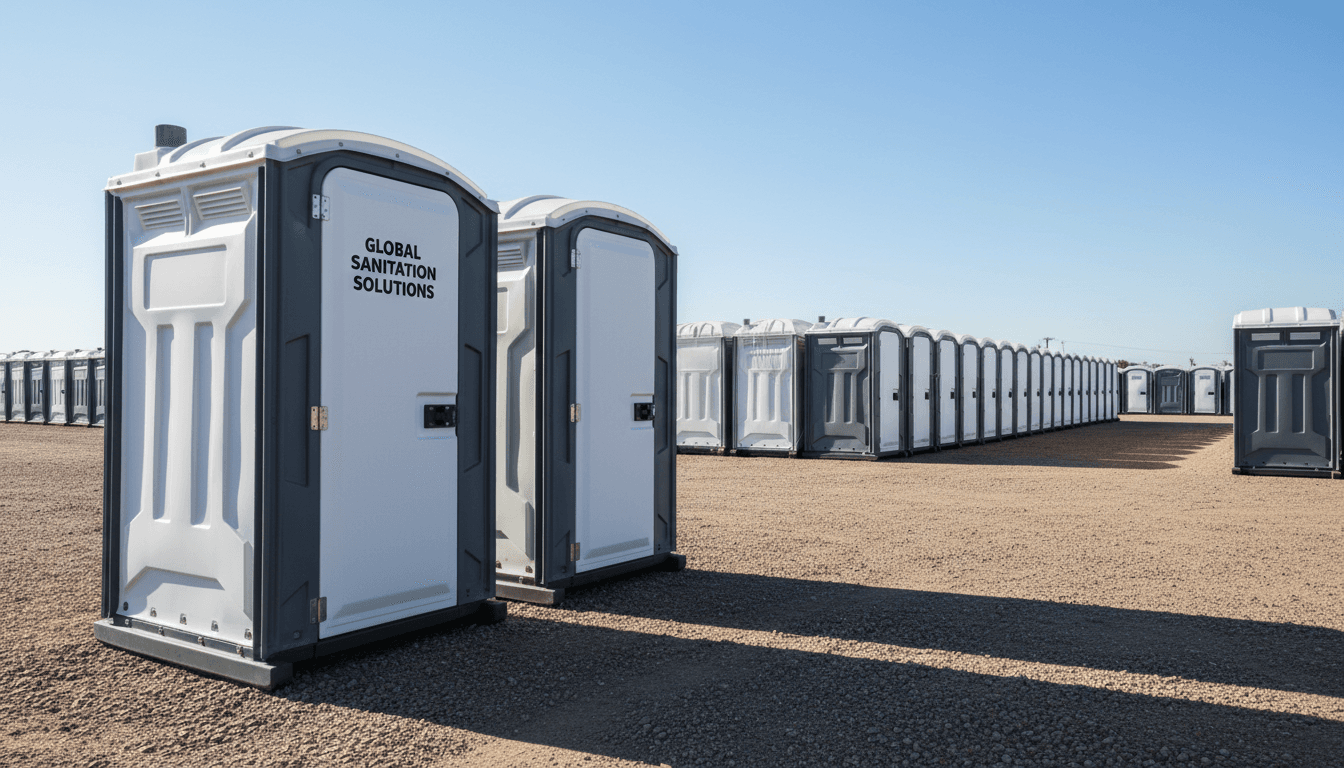
Deciding between a standard unit and a luxury trailer begins with understanding their physical architecture. A standard porta potty is a self-contained, single-stall structure designed for maximum portability and a small footprint. These units do not require external power or water connections; they rely on a localized holding tank and specialized chemical treatments to manage waste and odors. Their rugged, lightweight build makes them ideal for rapid deployment across various terrains.
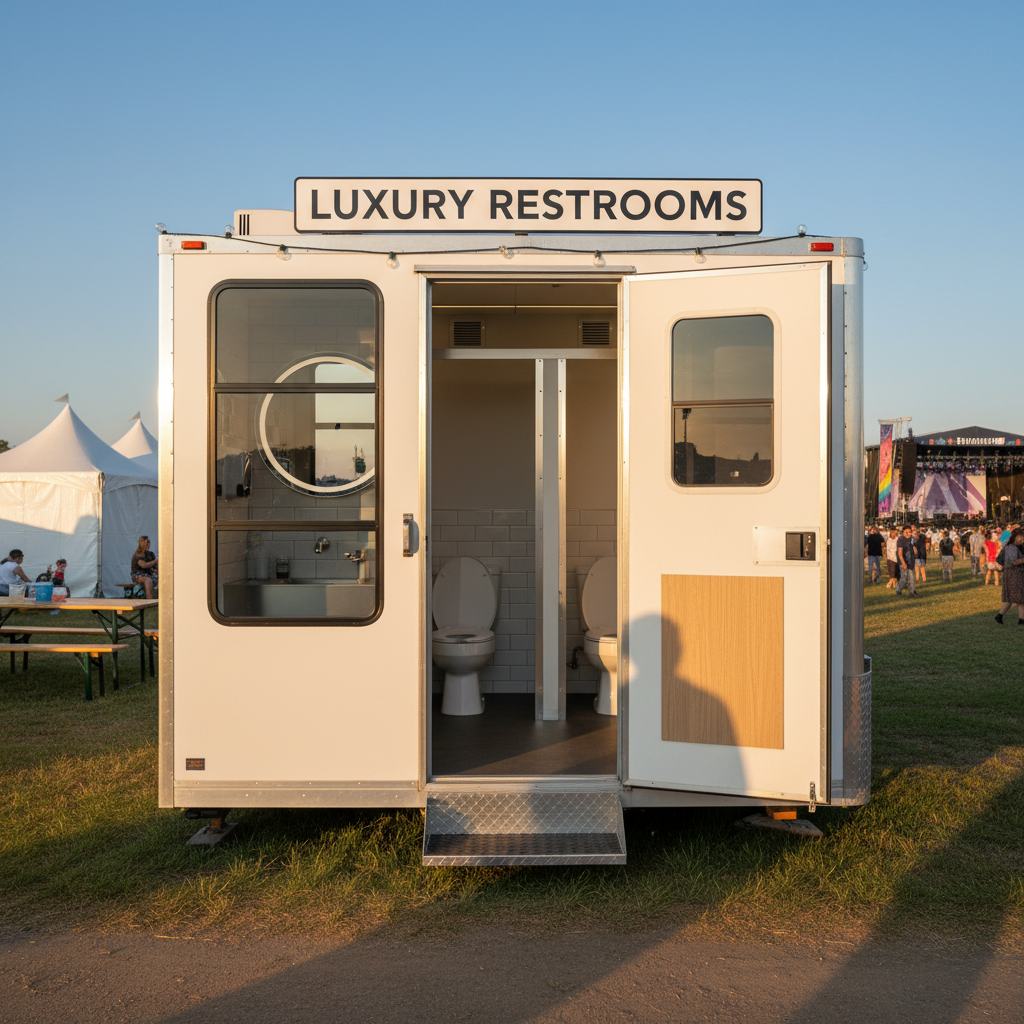
In contrast, a restroom trailer is a multi-stall facility built onto a towable chassis. It functions much like a permanent residential bathroom, offering flushing toilets, integrated sinks, and mirrors. The infrastructure requirements vary greatly between these two options. Trailers typically require a level surface for stability, a 110-volt power source to operate lighting and climate control systems, and a dedicated water hookup for pressurized flushing.
At Latrine, we provide quality-focused sanitation services that prioritize durability and cleanliness. Our equipment is selected specifically to withstand the unique environmental demands of Utah, from high summer temperatures to the persistent dust of open worksites. While both options serve the same fundamental purpose, the porta potty vs restroom trailer comparison is defined by the gap in user experience and the specific logistical capabilities of your site. Understanding these physical differences is the first step in selecting a system that meets your operational standards.
The Practical Choice: When to Use Standard Porta Potties
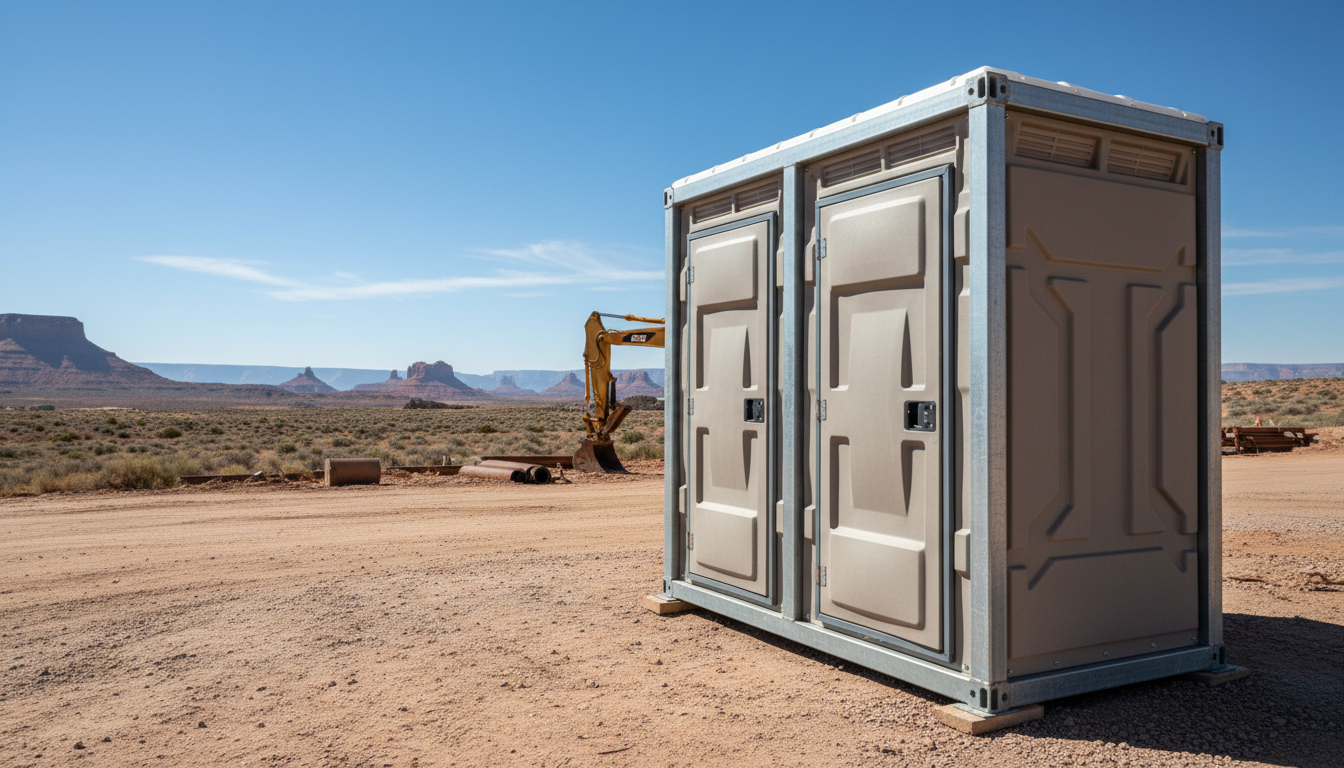
Standard units are the most practical solution for environments where infrastructure is non-existent. In locations like remote trailheads or active construction zones in Fillmore, these units provide essential service without requiring electricity or pressurized water. Their compact footprint allows for placement in narrow alleys or along the perimeter of a busy job site where space is at a premium.
Reliability in rugged conditions is a hallmark of these units. In Utah’s dry and often windy climate, equipment must be managed to handle specific environmental stressors. High winds in the Sevier Valley can create stability issues for lightweight structures. This is why professional placement is critical. Latrine technicians evaluate the terrain to ensure units are sited on level, firm ground and positioned to minimize wind resistance, which prevents tipping and helps maintain the integrity of the ventilation system to manage odors. Additionally, the arid environment requires precise chemical maintenance to ensure the holding tanks remain effective throughout the service cycle.
For high-traffic public festivals or large-scale community events, the logistical efficiency of standard units is unmatched. Multiple stalls can be deployed quickly to accommodate thousands of guests, ensuring that wait times remain low. When analyzing the porta potty vs restroom trailer choice for a project, the standard unit wins on sheer versatility and ease of setup. While they lack the interior amenities of a trailer, their durability and rapid deployment make them the standard choice for projects focused on utility and high-volume use. If you have specific site constraints or need high-volume support, you can contact Latrine to discuss the best configuration for your location.
The Premium Experience: When a Restroom Trailer is Necessary
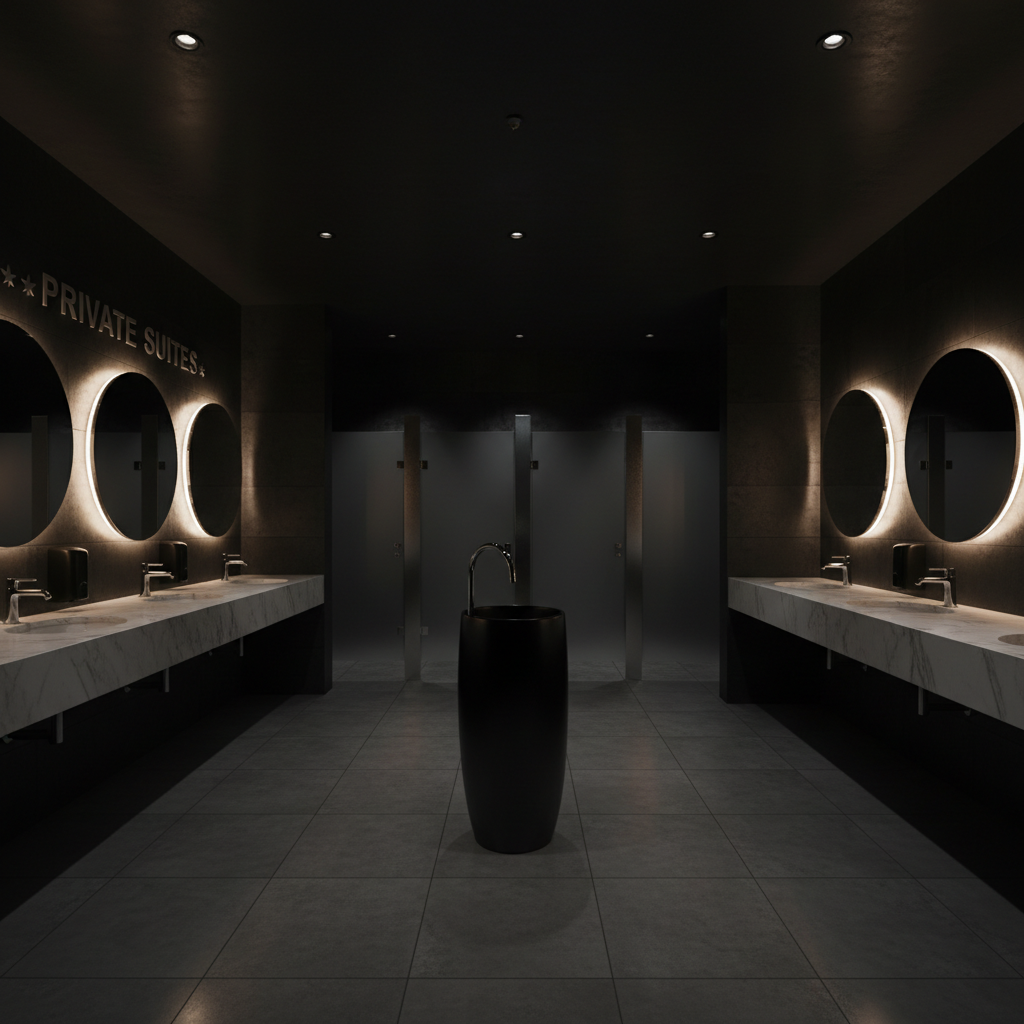
While standard units excel in utility, certain occasions necessitate a restroom trailer to maintain the professional or celebratory tone of an event. A restroom trailer bridges the gap between temporary sanitation and a permanent bathroom. These units feature porcelain flushing toilets, stainless steel sinks with running water, and vanity mirrors. In the context of the porta potty vs restroom trailer debate, the primary differentiator is climate control. In Fillmore, where summer afternoons can exceed 90 degrees and winter mornings drop below freezing, integrated heating and air conditioning units ensure guest comfort remains consistent.
These premium facilities are essential for weddings, corporate retreats, and high-profile community galas where guests expect a higher standard of hygiene. The physical environment inside a trailer is more spacious and finished, providing a private area for guests to freshen up. This comfort gap is significant; while a standard unit provides a basic service, a trailer provides an amenity that reflects the quality of the overall event.
Logistically, trailers require a more involved setup than single stalls. They need a level surface to ensure proper drainage and operation of the flushing mechanisms. Most units require access to a standard 110-volt power source to run the lighting and HVAC systems, along with a connection to a pressurized water source via a standard garden hose. If your site lacks these connections, specialized planning is required to provide generator power or onboard water tanks. For organizers managing upscale events in Millard County, choosing quality-focused sanitation services ensures these technical requirements are managed correctly. To verify if your venue can accommodate a trailer’s footprint, you can contact Latrine for a site assessment.
Porta Potty vs Restroom Trailer: A Side by Side Comparison
While the differences in user experience are clear, selecting the right equipment requires a side by side look at technical specifications and operational costs. For many project managers in Millard County, the decision hinges on the specific constraints of the site and the available budget.
Feature | Standard Porta Potty | Restroom Trailer |
|---|---|---|
Estimated Cost | $100 to $250 per unit | $1,000 to $3,000+ per unit |
Hygiene Amenities | Hand sanitizer dispenser | Running water sinks, soap, mirrors |
Space Requirement | Approx. 5' x 5' footprint | 20' to 30'+ length; needs level ground |
Power/Water Needs | Fully self-contained | 110V power and water hookup required |
Setup Time | Minimal (10 to 15 minutes) | Extensive (1 to 2 hours) |
Budgeting for these units involves more than the base rental price. In the porta potty vs restroom trailer evaluation, delivery distance from our Fillmore home base is a significant factor. Transporting a 20 foot trailer requires specialized towing and maneuvering; this may increase logistical costs compared to dropping off several standard units on a flatbed. For remote jobs or events far from the I-15 corridor, travel time and fuel costs for the delivery vehicle are incorporated into the final quote.
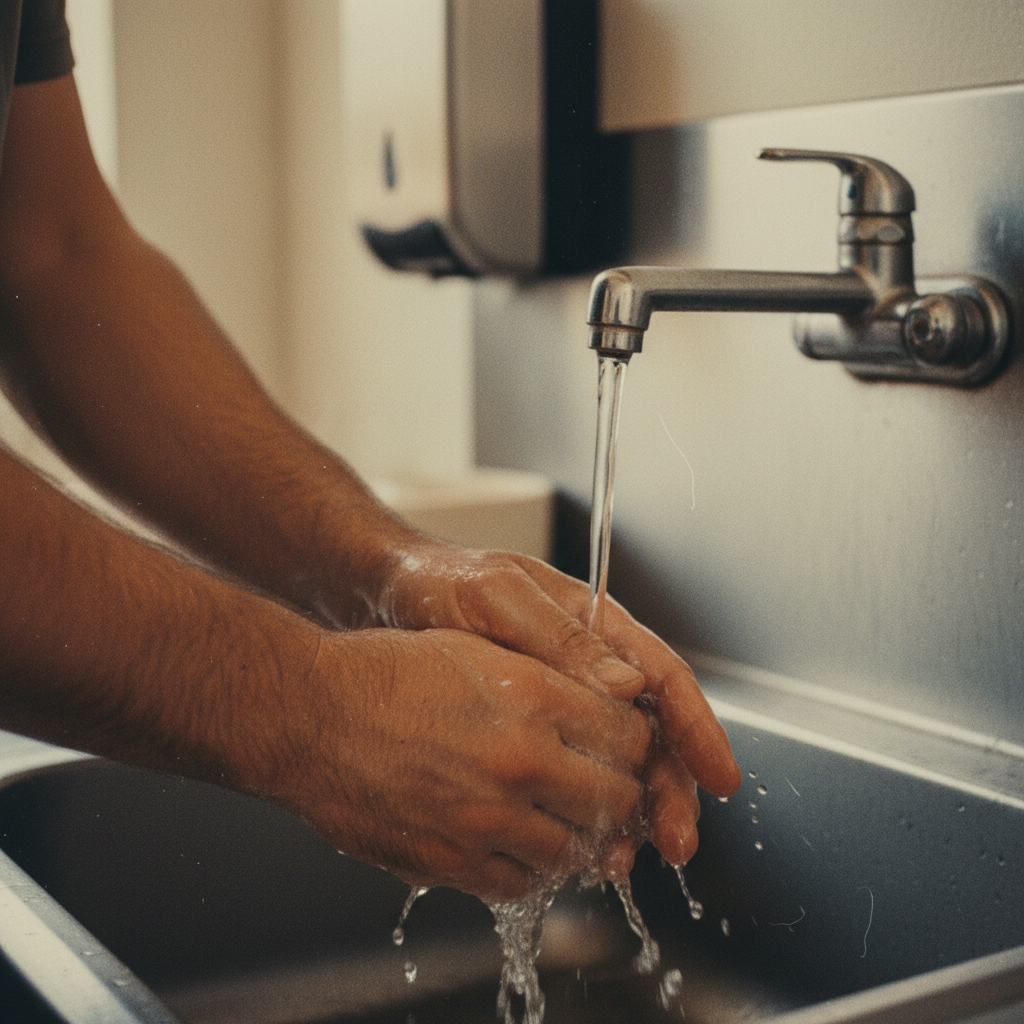
Hygiene standards also dictate the choice. Standard units typically rely on alcohol based hand sanitizers. These are effective for quick use on worksites but do not offer the thorough cleaning of pressurized running water. Trailers provide a complete handwashing experience, which is often a necessity for events serving food or gatherings where guest hygiene is a top priority.
Space remains a final, critical consideration. A standard unit fits into a small corner or a single parking stall. In contrast, a trailer requires a large, flat area with enough clearance for the delivery vehicle to turn and back into position. When planning your layout, ensure there is a clear path for servicing vehicles to reach the units throughout the duration of your project. For a precise quote that accounts for your specific location and site layout, you can contact Latrine.
OSHA Requirements and Site Compliance for Worksites
OSHA Standard 1926.51 mandates strict sanitation requirements for construction sites to protect worker health and dignity. For most worksites, the federal requirement is one toilet for every 20 employees or fewer. On larger sites with more than 20 workers, one toilet and one urinal per 40 workers are generally necessary. While standard units are the industry benchmark for meeting these regulations, the porta potty vs restroom trailer decision often shifts on high-end residential projects in Millard County. For specialized crews working on luxury builds or long-term infrastructure projects, contractors sometimes opt for trailers to provide a climate-controlled environment that supports worker retention and productivity.
Compliance also hinges on maintenance; a unit that is not sanitary or functional does not count toward the required total. A standard weekly servicing schedule is typical for most jobs, but high-traffic sites or those with limited space for multiple units often require bi-weekly cleaning to remain within OSHA standards. Latrine provides quality-focused sanitation services that include rigorous cleaning protocols to help site managers maintain compliance. If you are managing a complex site with shifting crew sizes or specialized needs, you can contact Latrine to establish a service frequency that ensures your site remains fully compliant with local and federal regulations throughout the duration of the build.
Event Planning Math: How Many Units Do You Actually Need?
Estimating the correct quantity of units requires calculating peak usage times against the total duration of your gathering. For a standard event in Millard County lasting between four and six hours, the industry baseline is one unit for every 50 guests. If your guest list reaches 100 people, plan for at least two units to prevent long queues and maintain a positive guest experience.
These ratios must be adjusted when specific variables are introduced. If alcohol is served, the frequency of use increases significantly; in these cases, it is advisable to increase your unit count by at least 20%. Similarly, events spanning an entire day or multiple days require either a higher volume of units or a scheduled mid-event cleaning to keep the facilities functional.
When evaluating the porta potty vs restroom trailer for high-volume needs, the capacity calculation is based on the number of available stalls. A single three-stall restroom trailer can effectively replace three individual porta potties, offering a more consolidated footprint while providing the same throughput. This choice often depends on the available space at your venue. Ensuring you have the right quality-focused sanitation services means planning for these peaks before the event begins. For a tailored recommendation based on your specific guest count and itinerary, you can contact Latrine to finalize your site plan.
Maintenance and Sanitation Best Practices in the Utah Climate
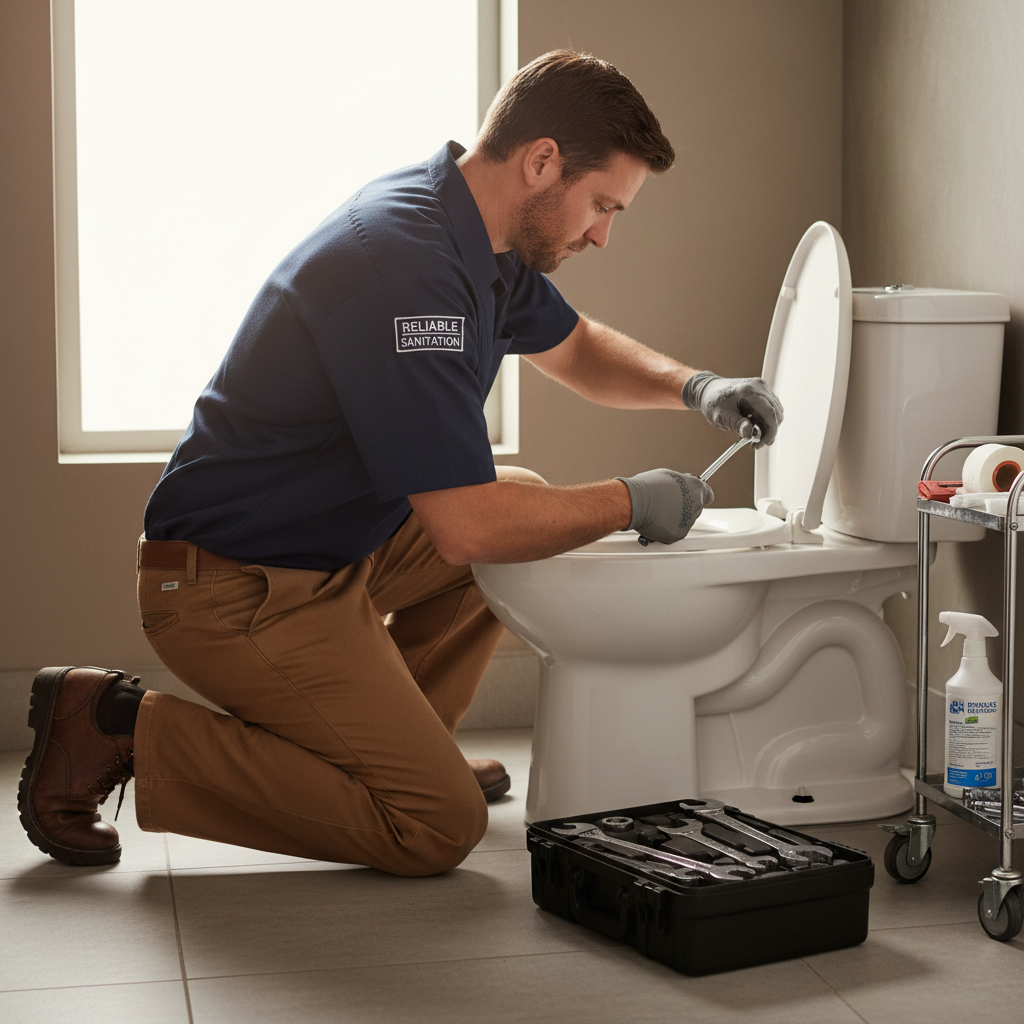
Utah’s high desert climate creates specific challenges for temporary sanitation. When temperatures in Millard County climb, biological activity in holding tanks accelerates. Latrine addresses this by using professional-grade, hospital-strength disinfectants designed to neutralize bacteria and suppress odors before they become a problem.
Service frequency is the most effective tool for managing site hygiene. For standard units, we recommend increasing service intervals during peak summer months to keep the environment fresh. When analyzing the porta potty vs restroom trailer logistics for multi-day projects, the maintenance requirements diverge. While standard units focus on tank pumping and surface sanitization, restroom trailers involve technical monitoring. Our team manages fresh water levels, greywater capacity, and blackwater tank limits to ensure flushing systems and sinks remain fully operational. This specialized oversight prevents system failures that could disrupt your event. By providing quality-focused sanitation services, we ensure your facilities remain clean and functional despite the heat. To schedule a maintenance plan tailored to your specific site conditions, you can contact Latrine for assistance.
Choosing the right sanitation for your event is a balance between your budget, the guest experience, and the specific needs of your site. While standard units offer practical reliability, restroom trailers provide a higher level of comfort that can elevate any gathering. If you find yourself unsure which option fits your project best, getting expert advice can save time and prevent logistical headaches. You can learn more about our team to see how we help clients navigate these choices with ease.